OBSERVE
Understand the child’s current abilities.
info@vcanautismfoundation.org
+91 905 971 4636
Flat No-302, Rajamma Towers, Above Annapurna Megha Mart, Kukatpally

FOR CHILDREN WITH AUTISM & DEVELOPMENTAL DIFFERENCES DON’T JUST GET A CHILD READY FOR SCHOOL.
Starting school is a big step for every child. For children with autism or developmental differences, the transition may require additional preparation.
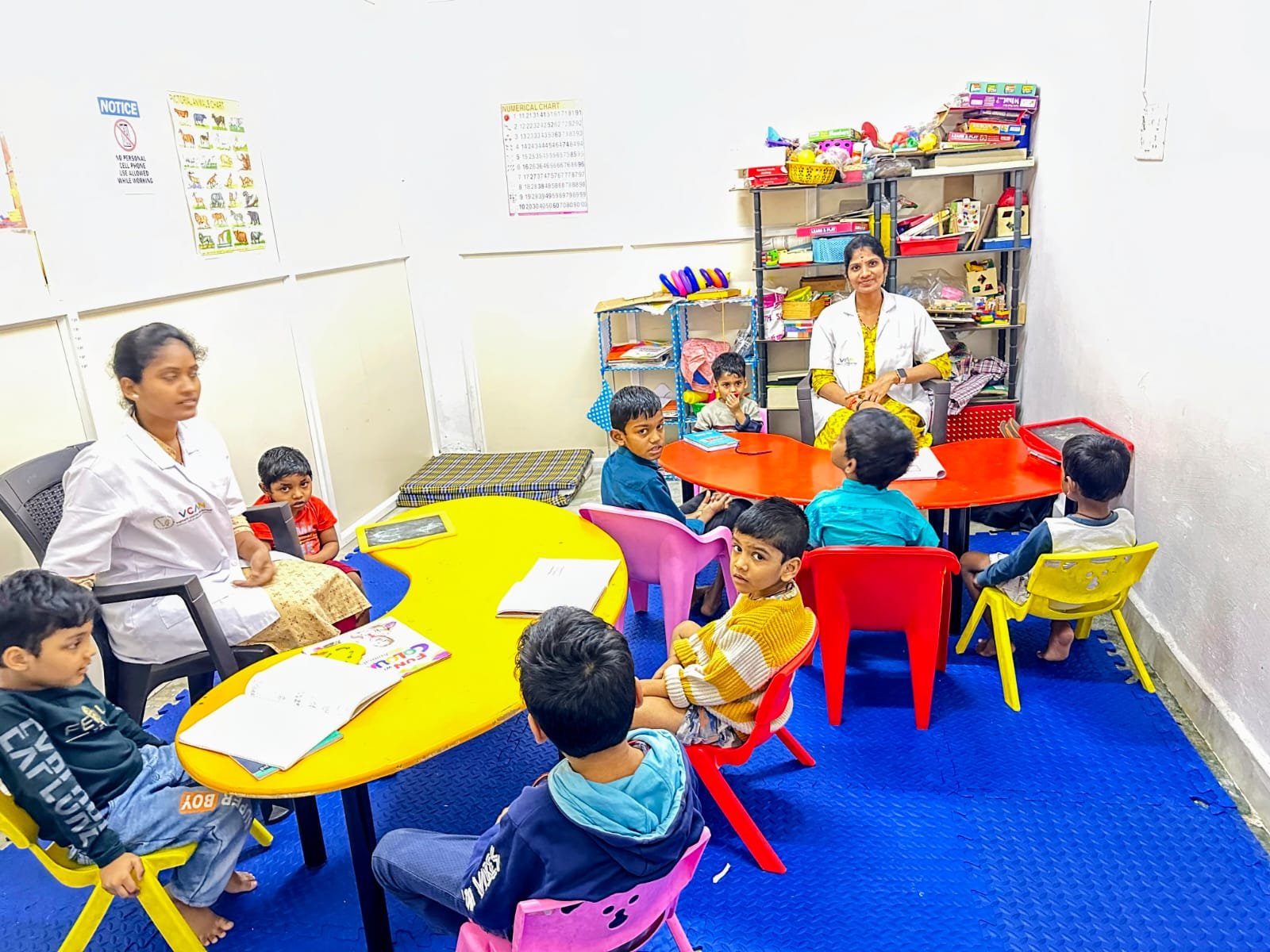
At V Can Autism Foundation, our School Readiness Program is designed to develop the communication, learning, social, behavioural, self-help and classroom-participation skills children need to experience school more successfully.
We don’t focus only on ABCs and 123s.
A child may know colours, numbers and letters, but classroom success also depends on being able to:
Listen • Attend • Communicate • Follow Instructions • Wait • Take Turns • Move Between Activities • Ask for Help • Use Basic Self-Care • Participate in a Group
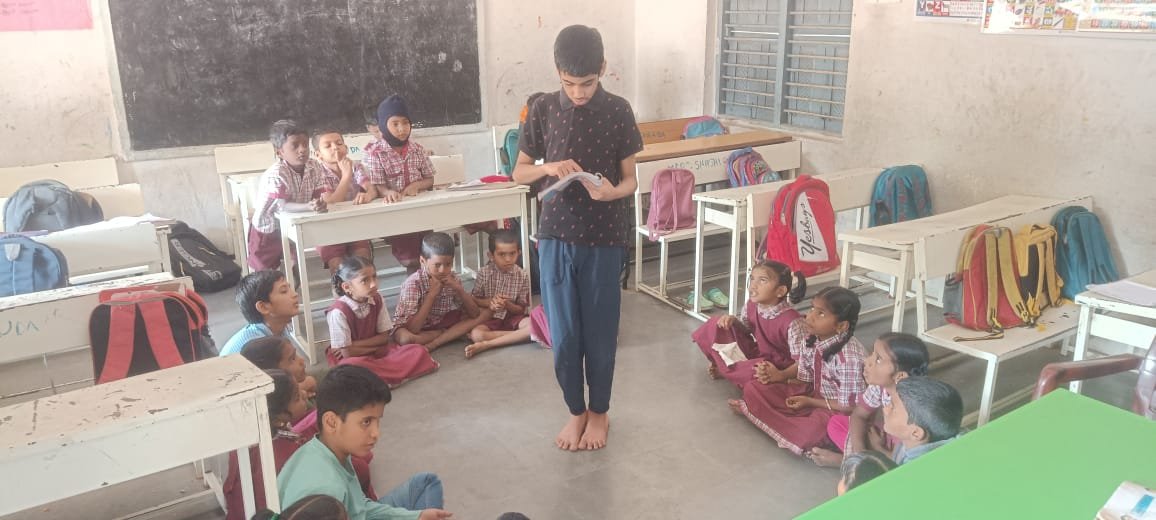
Helping children communicate needs, choices, wants and feelings using appropriate communication methods.
Developing the ability to attend to a person, activity or instruction and gradually increase meaningful participation.
Practising simple directions, classroom instructions and task completion.
Greeting, sharing, turn-taking, waiting, joining activities and interacting with peers.
Entering the classroom, sitting, taking materials, completing activities, cleaning up and transitioning.
Building foundations for early literacy, numeracy, matching, sorting, concepts and pre-writing.
Pencil readiness, drawing, tracing, cutting, pasting, manipulating learning materials and completing tasks.
Supporting age-appropriate independence in eating, toileting, handwashing, dressing and managing belongings.
Helping children move between activities and cope with changes in routines with appropriate support.
A MINI CLASSROOM. REAL SKILLS.
Listening • Attention • Comprehension • Communication
Sitting • Listening • Participation • Social Interaction
Fine Motor • Task Completion • Pre-Academic Learning
Choice-Making • Motor Skills • Following Instructions
Communication • Social Skills • Turn-Taking
Self-Help • Communication • Social Participation
Understand the child’s current abilities.
Find the skills that need support.
Teach foundational skills.
Repeat skills through meaningful activities.
Use skills in different environments and situations.
Support the child in becoming more ready for real educational settings.
PREPARATION DOESN’T STOP AT V CAN.
We guide parents on how to practise appropriate skills at home:
Morning Routines • Getting Dressed • Eating Independently • Following Instructions • Communication • Managing Belongings • Waiting & Turn-Taking • Transitioning Between Activities
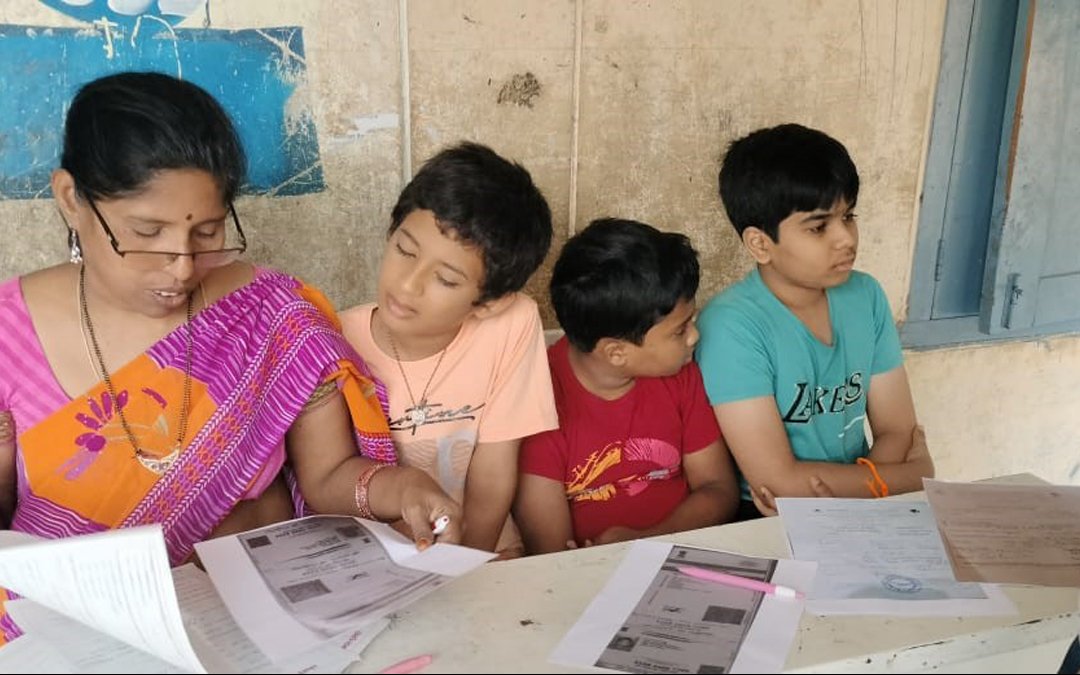
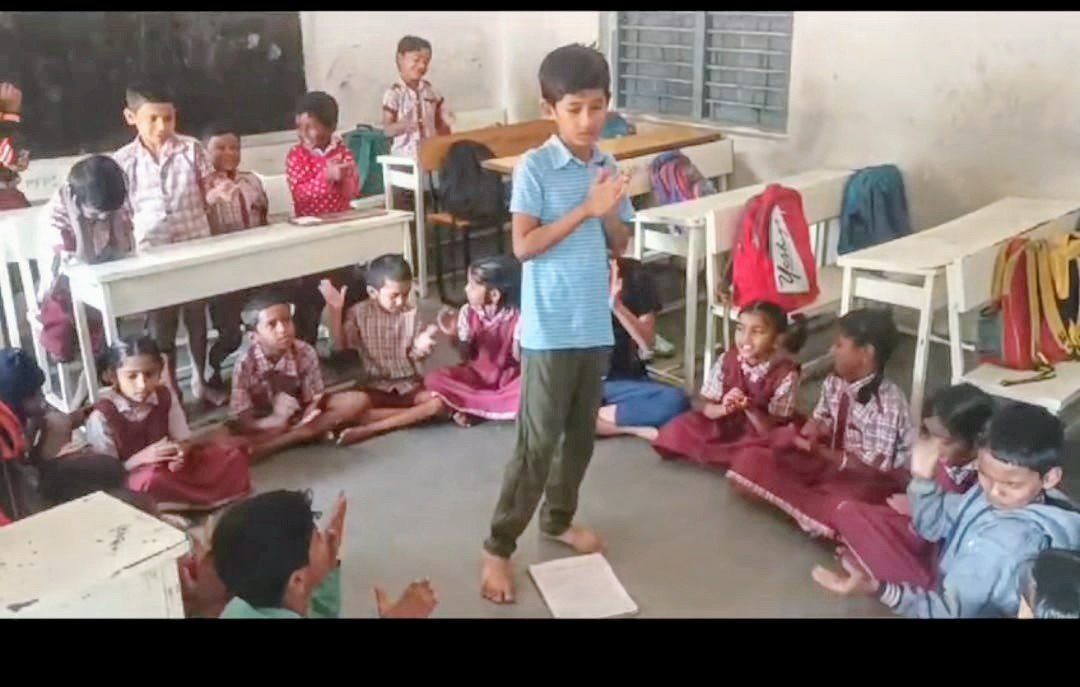
THERE IS NO SINGLE DEFINITION OF “READY.”
One child may need to focus on communication.
Another may need attention and classroom participation.
Another may need self-care.
Another may need social interaction.
Another may need support with transitions.
Not perfection.
Not comparison.
Not making every child behave exactly the same.
More Communication.
More Participation.
More Learning.
More Confidence.
More Independence.
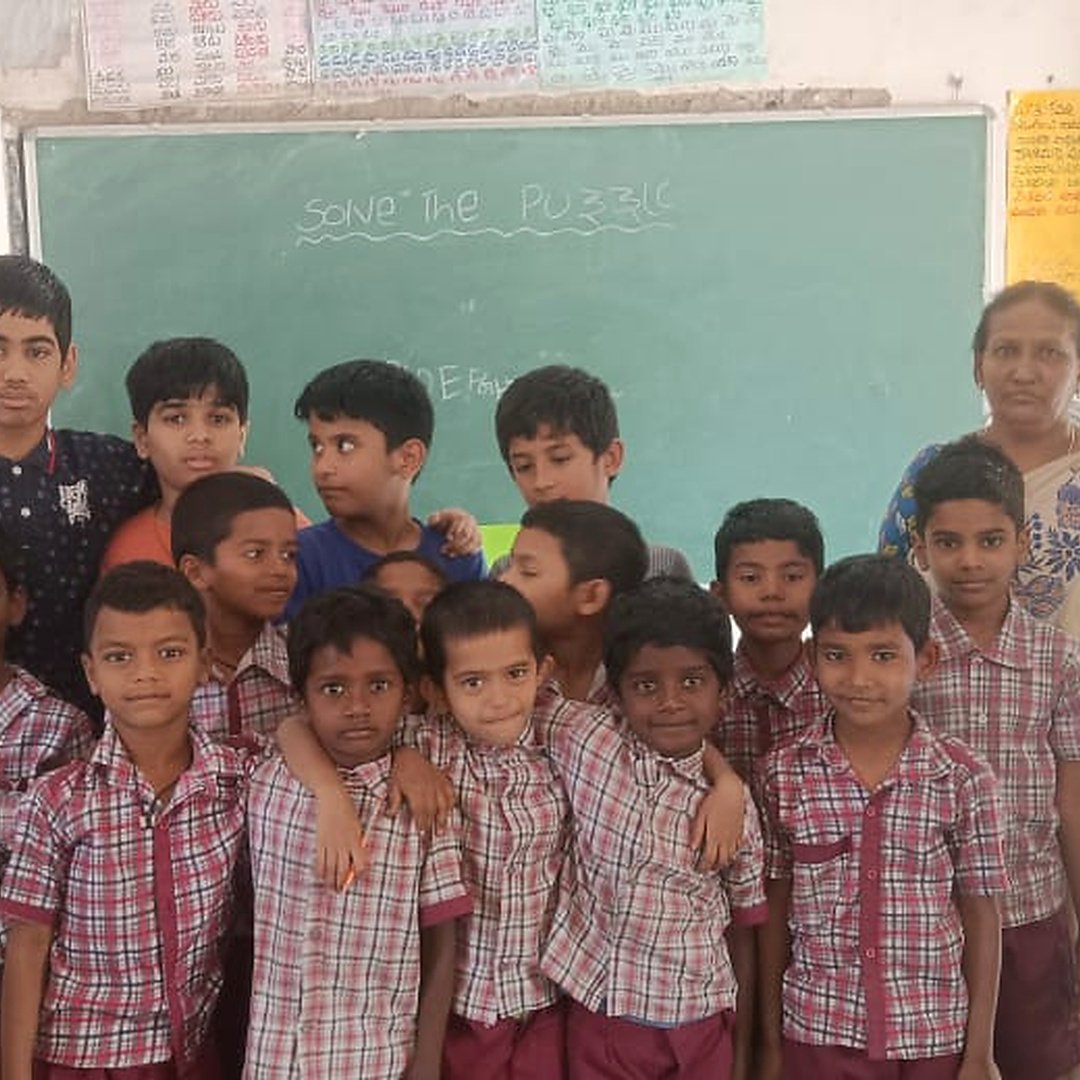
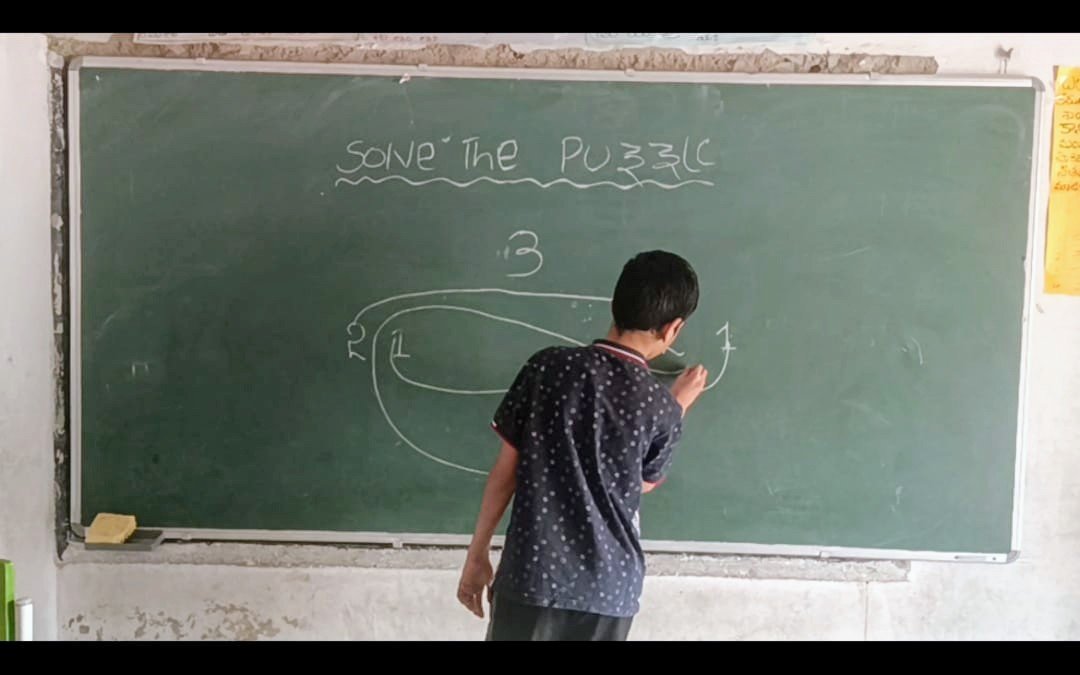
You don’t have to wait until school begins to discover what your child may find difficult.
You can prepare.
You can practise.
You can understand your child’s strengths.
You can identify areas needing support.