MORNING
Wake Up → Personal Hygiene → Toileting → Dressing → Breakfast
info@vcanautismfoundation.org
+91 905 971 4636
Flat No-302, Rajamma Towers, Above Annapurna Megha Mart, Kukatpally




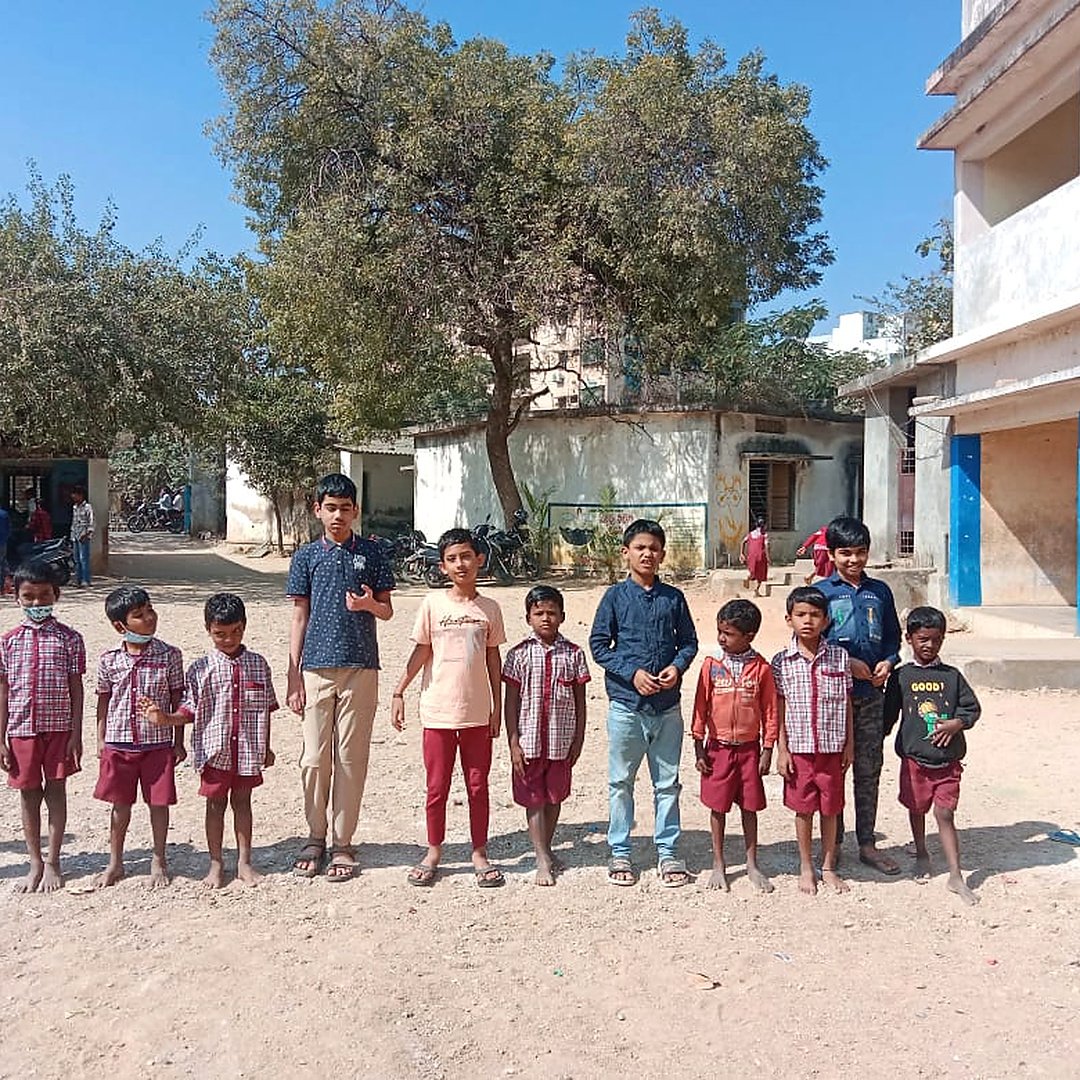
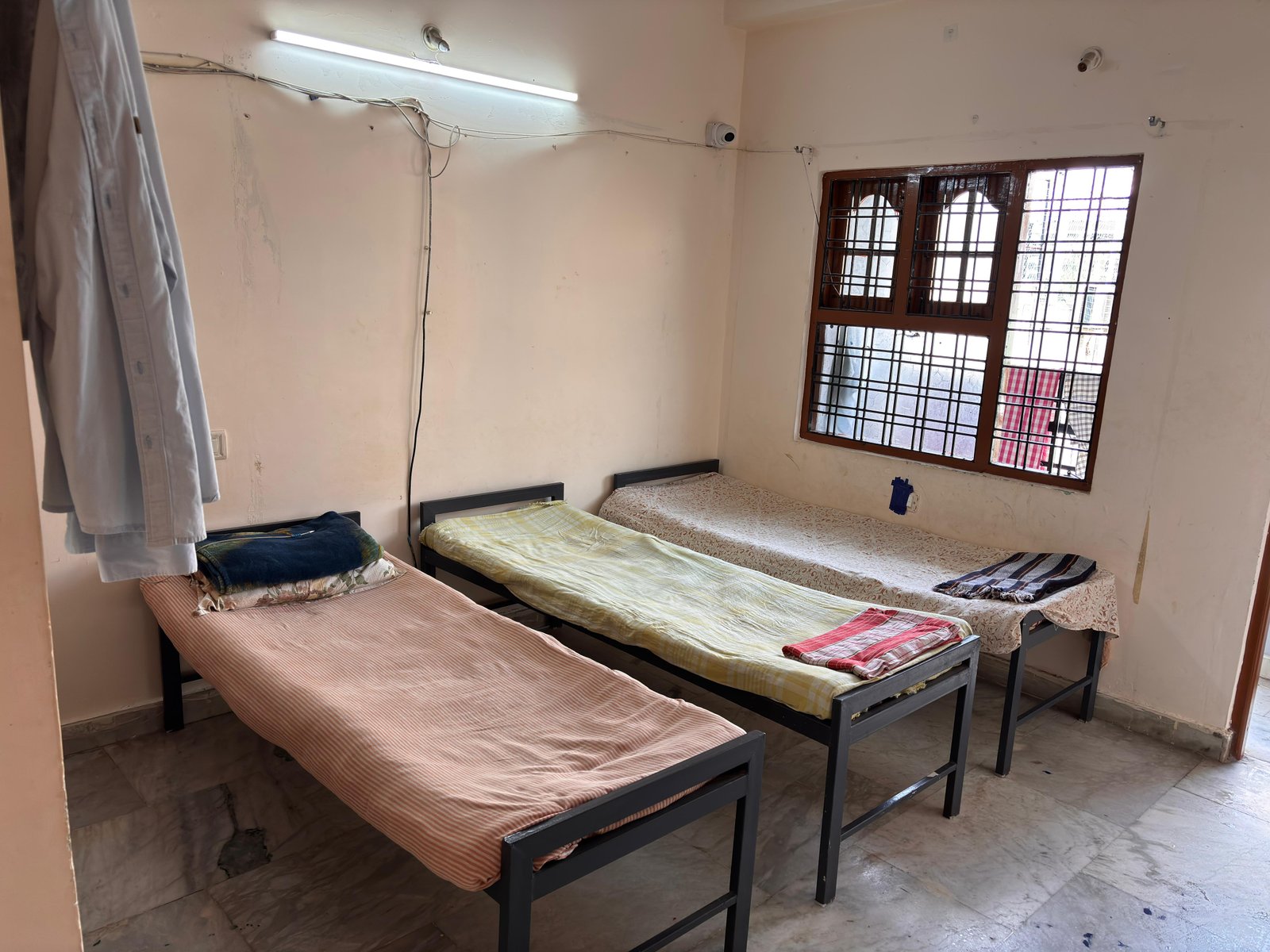
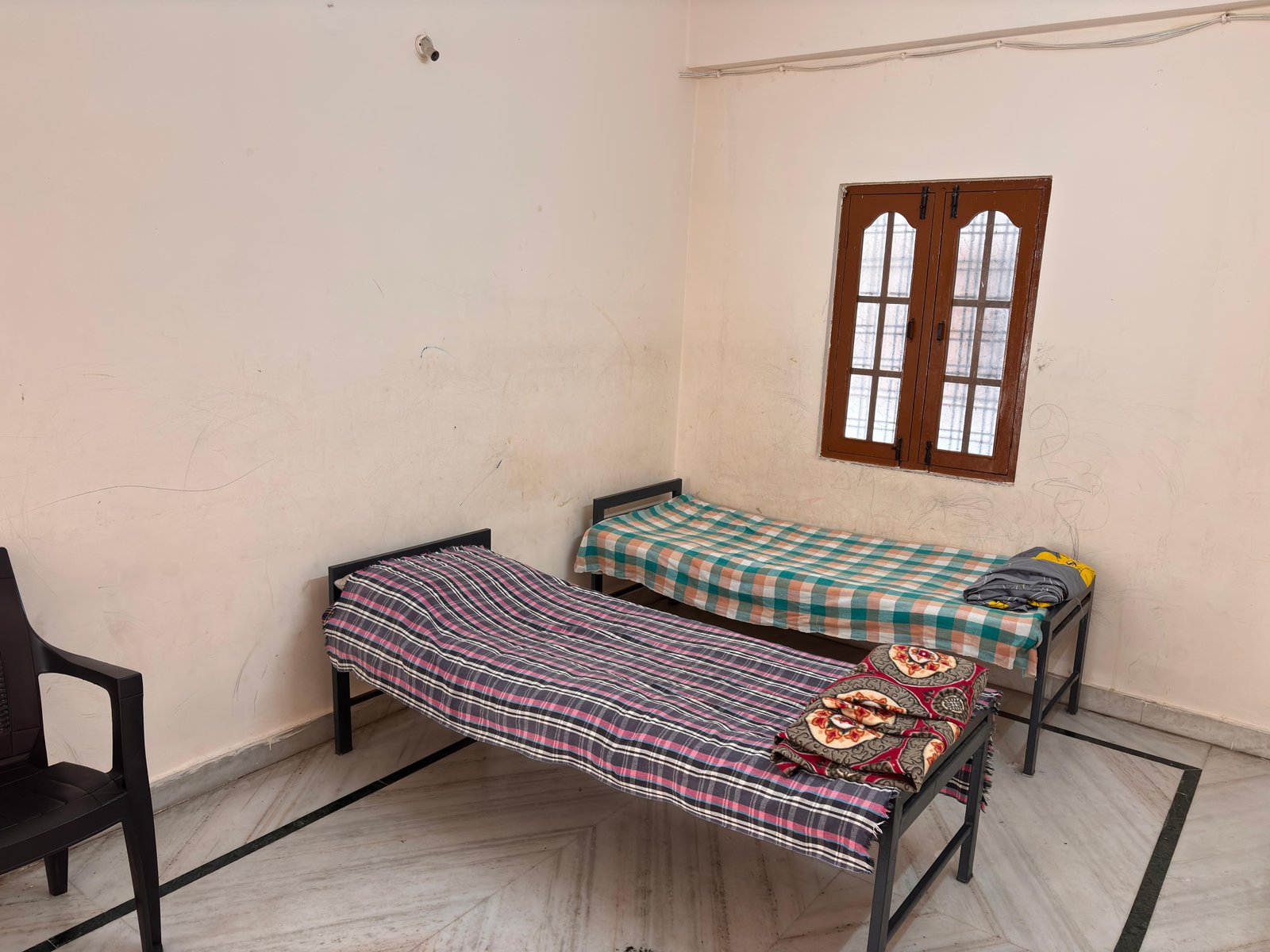
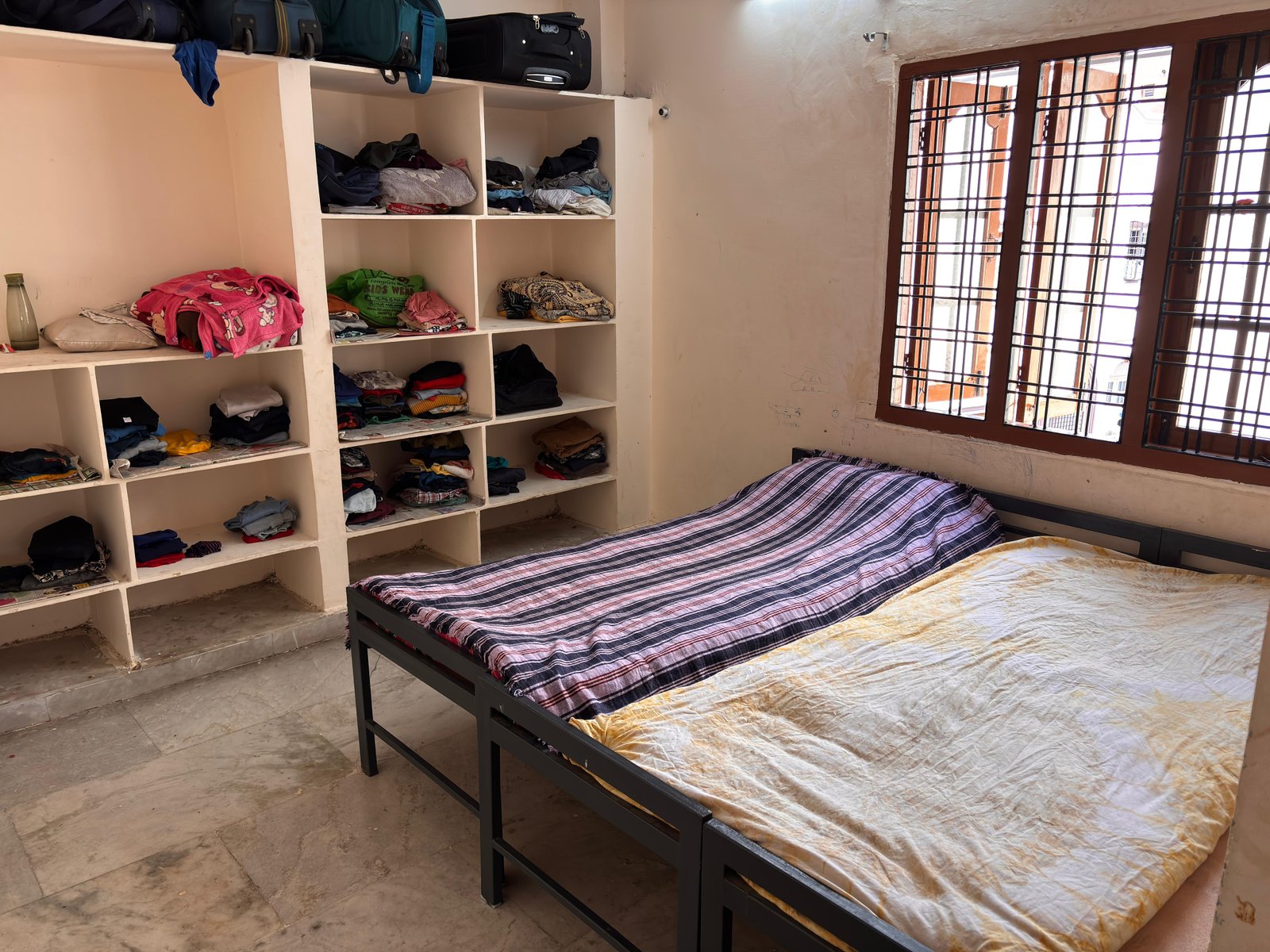
A HOME-LIKE ENVIRONMENT. A STRUCTURED DAY. A PURPOSEFUL JOURNEY TOWARDS INDEPENDENCE.
Choosing a residential facility for your child is one of the biggest decisions a parent can make.
At V Can Autism Foundation, we understand that parents are looking for more than accommodation. They are looking for a place where their child can be safe, understood, cared for, supported and encouraged to grow.
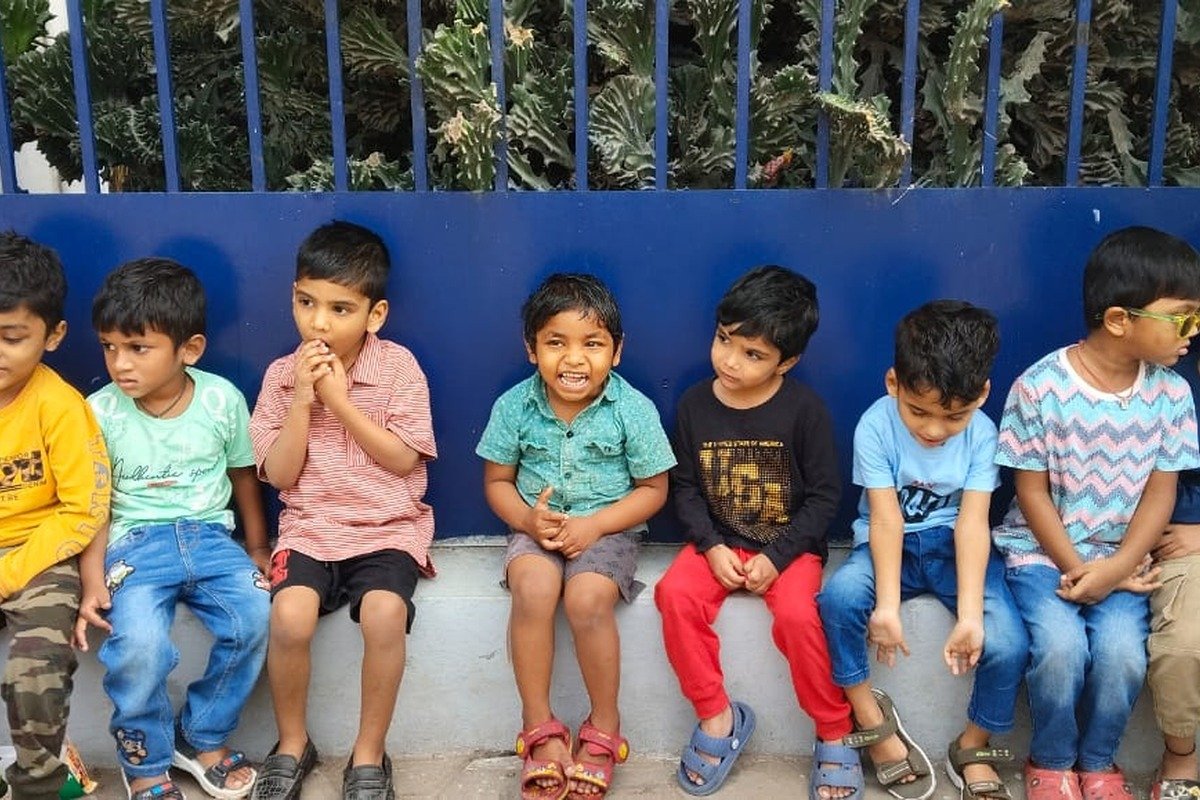
Our Residential Hostel Program is designed for children with autism aged 6–12 years, with an emphasis on daily living, communication, education, social participation and functional independence.
A predictable daily routine helps children understand what comes next and participate more confidently.
Children are supported to develop age-appropriate skills in hygiene, dressing, eating, grooming and personal routines.
Opportunities throughout the day to communicate needs, choices, preferences and feelings.
Structured learning and individualized educational activities according to each child’s needs.
Relevant therapy and developmental activities incorporated according to the child’s individual program and professional assessment.
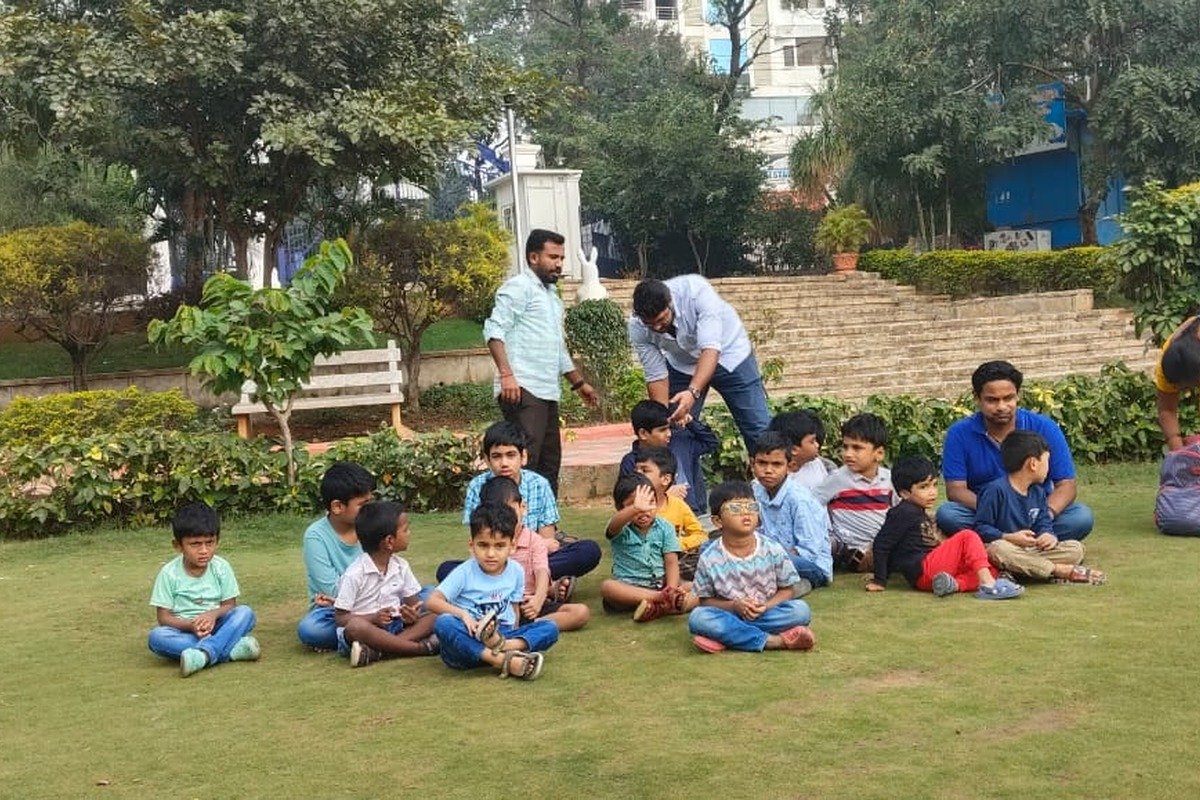
Group activities that encourage interaction, waiting, turn-taking, sharing and participation.
Everyday activities are used as opportunities to practise functional skills.
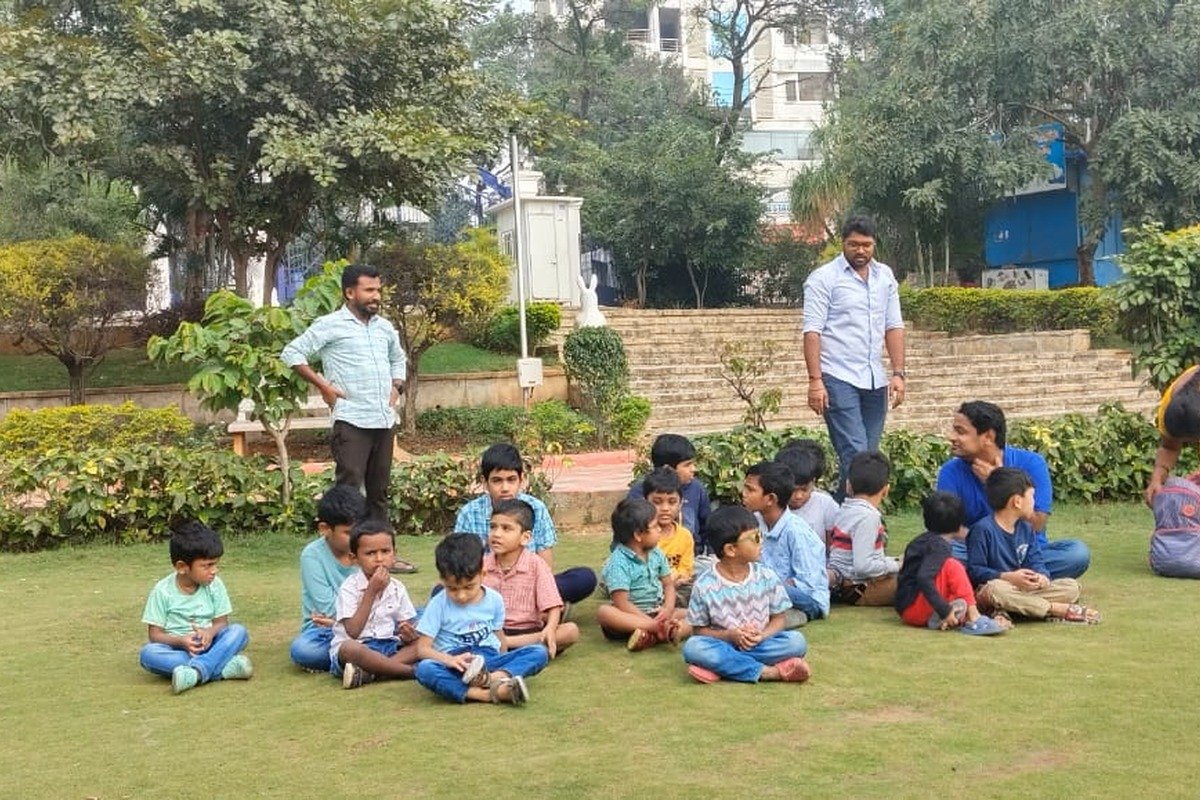
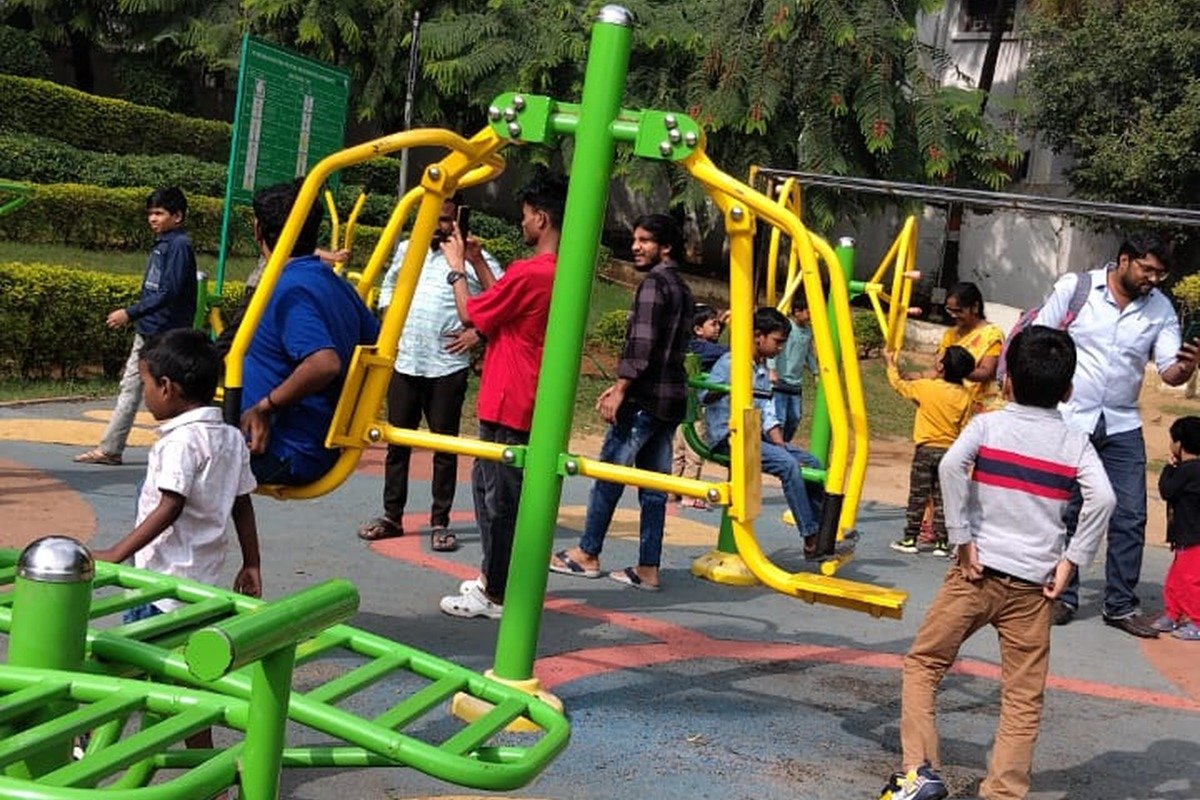
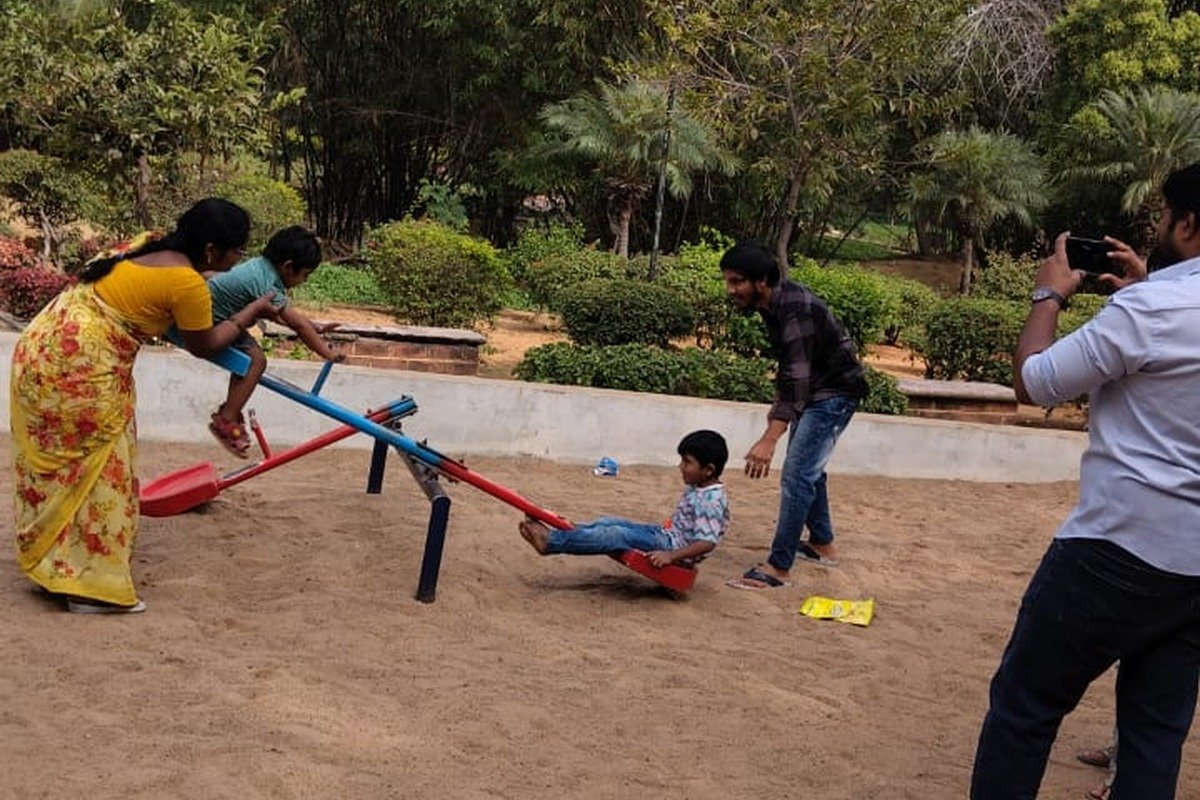
Indoor and outdoor activities, creative activities, movement and meaningful leisure.
Wake Up → Personal Hygiene → Toileting → Dressing → Breakfast
Special Education → Communication → Structured Activities
Individual Goals → Therapy Support → Skill Practice
Communication → Eating Routines → Self-Help → Social Participation
Life Skills → Group Activities → Play → Recreation → Social Interaction
Personal Care → Organizing Belongings → Calm Routine → Sleep

Communication • Self-care • Personal Hygiene • Eating Skills • Dressing Skills • Following Routines • Social Interaction • Functional Learning • Attention & Participation • Safety Awareness • Organization • Recreation Skills • Greater Independence
We don’t measure residential success only by how comfortably a child stays with us.
Can the child communicate more?
Can the child do more independently?
Can the child participate more?
Can the child follow routines?
Can the child make choices?
Can the child manage more of everyday life?
FOR CHILDREN WITH AUTISM | 6–12 YEARS
Care
Education
Communication
Life Skills
Social Development
Recreation
Independence