At V Can Autism Foundation, we create meaningful pathways for children to develop skills, build confidence
and move towards greater independence.
UNDERSTAND
• Strengths • Needs • Communication • Learning • Behaviour • Daily living
info@vcanautismfoundation.org
+91 905 971 4636
Flat No-302, Rajamma Towers, Above Annapurna Megha Mart, Kukatpally






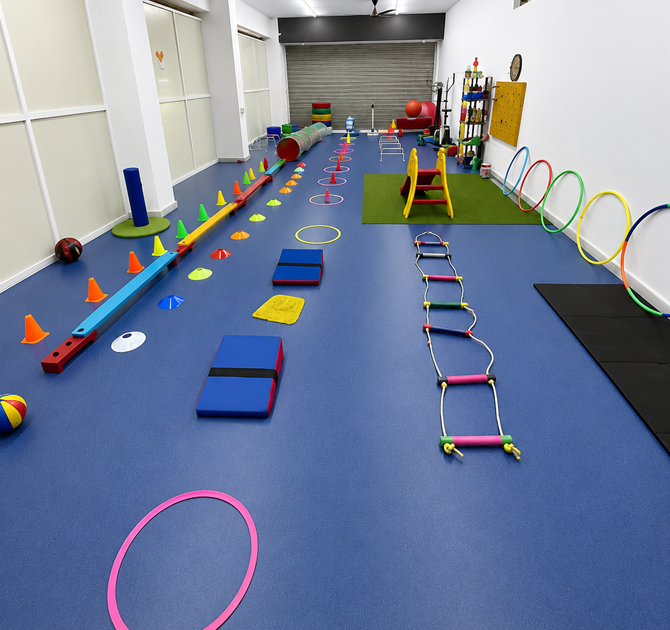
At V Can Autism Foundation, we believe the first step is not choosing a therapy. The first step is understanding the child. We create individualized pathways that focus on communication, learning, behaviour, daily living and meaningful participation.
We focus on your child’s strengths, needs, communication, learning and daily skills.
We develop meaningful communication, education, therapy and life skills.
We support greater participation and independence in everyday life.
We focus on individual strengths, needs, communication, learning, behaviour and daily living.
We help children develop practical skills that can be used at home, school, community and residential environments.
Talk to Us
About Your Child
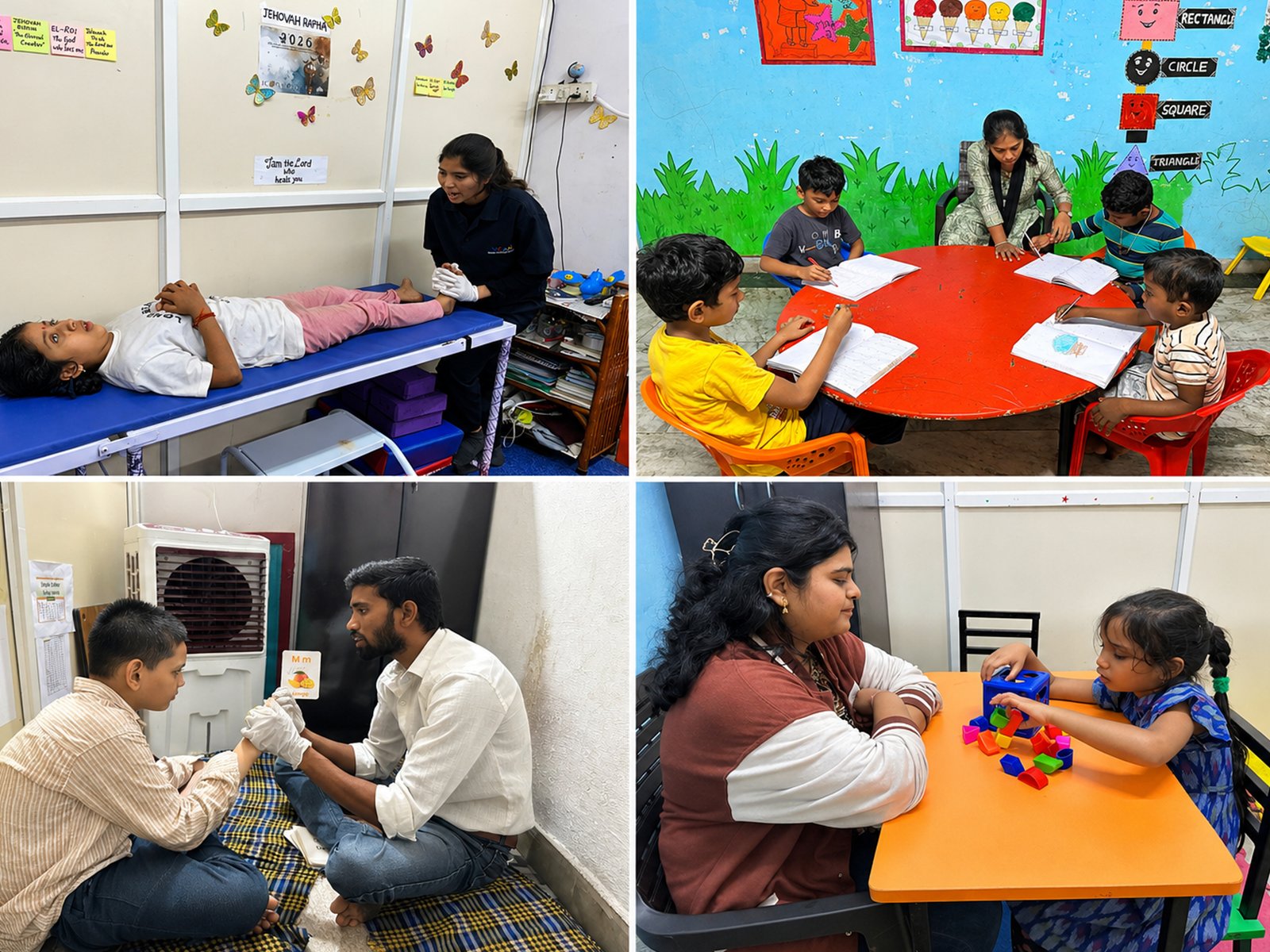
Support for communication, interaction, learning, play and development.
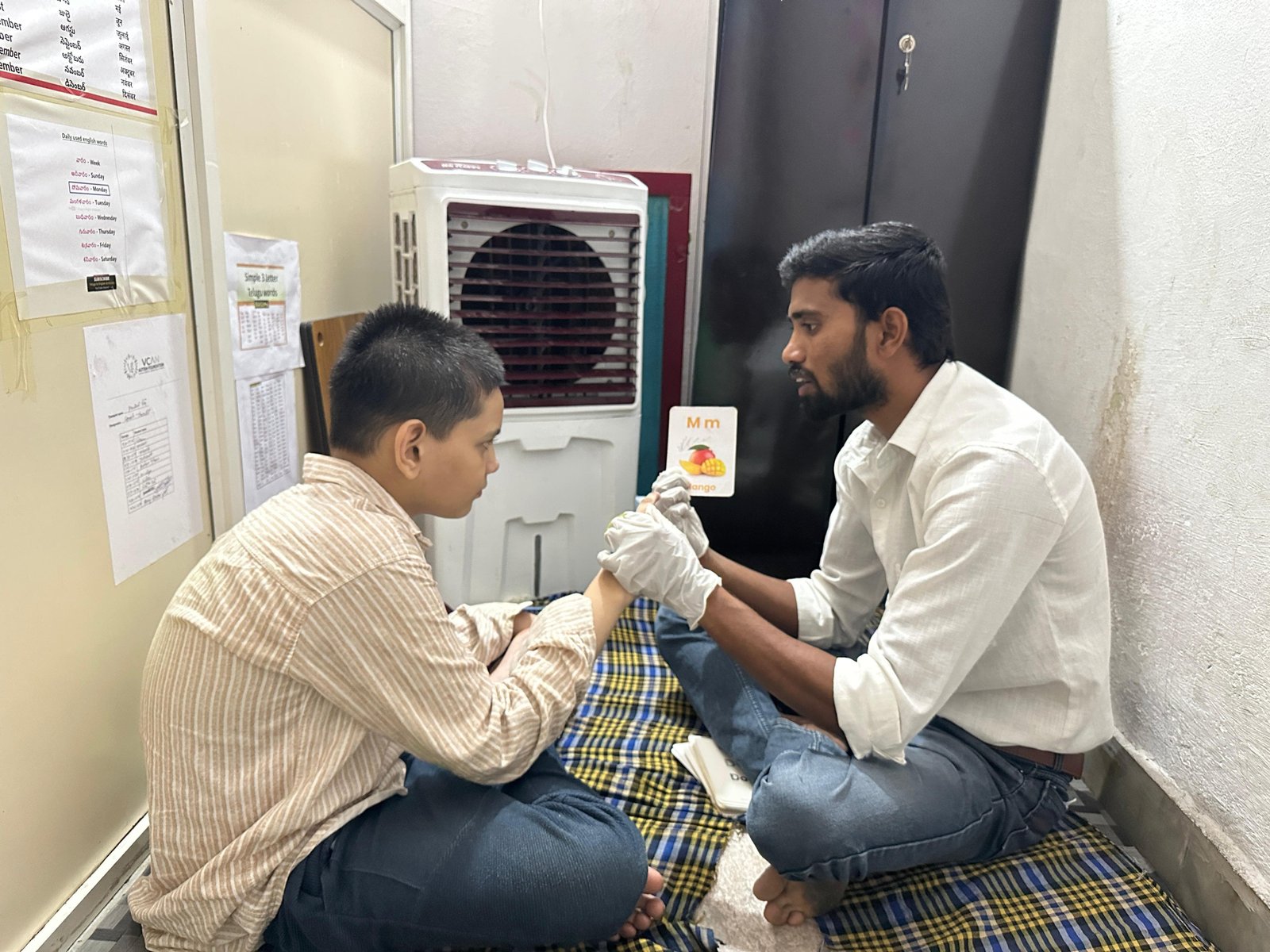
Helping children understand, express, request, respond and connect.
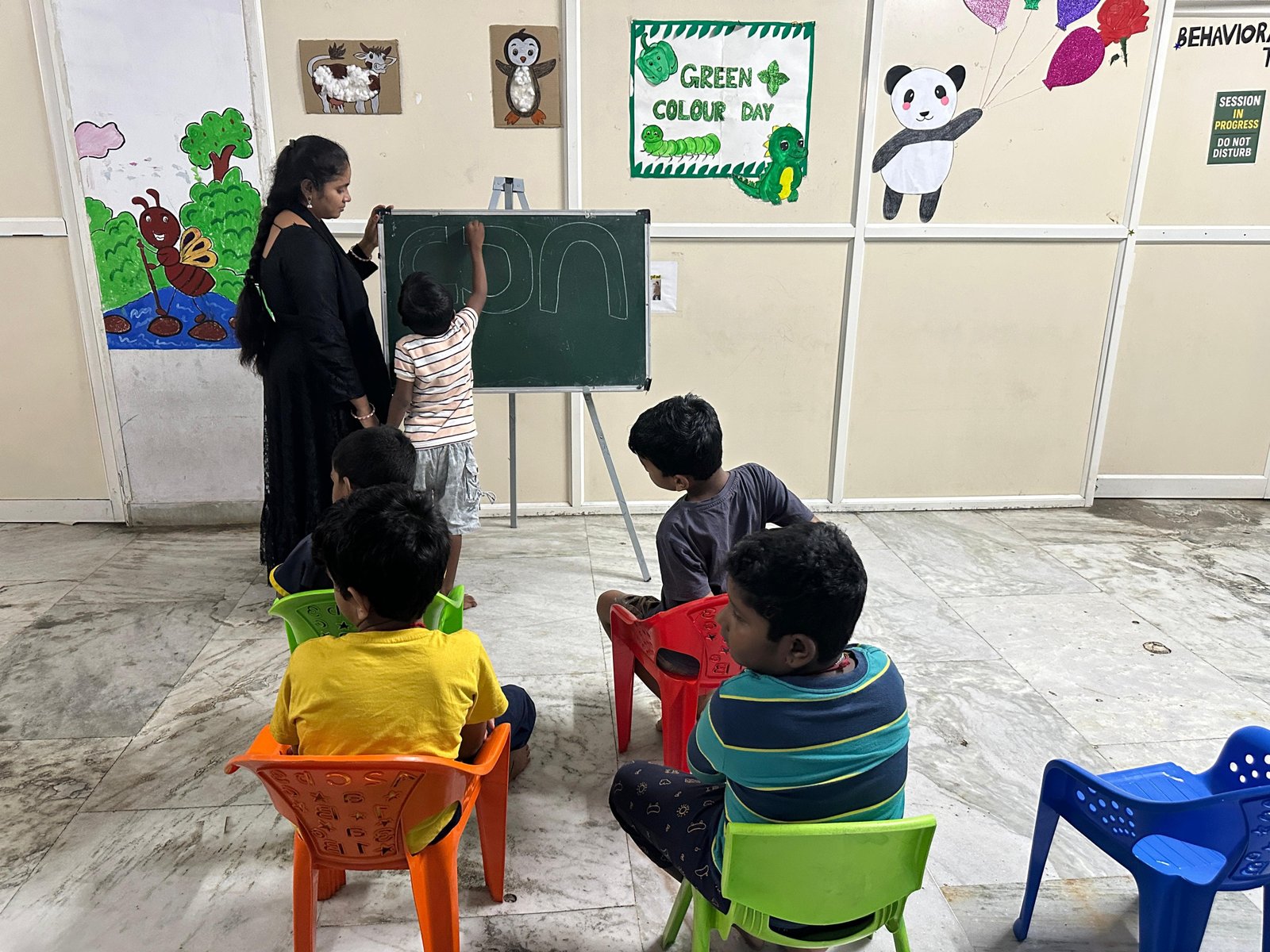
Individualized education based on learning needs and developmental goals.
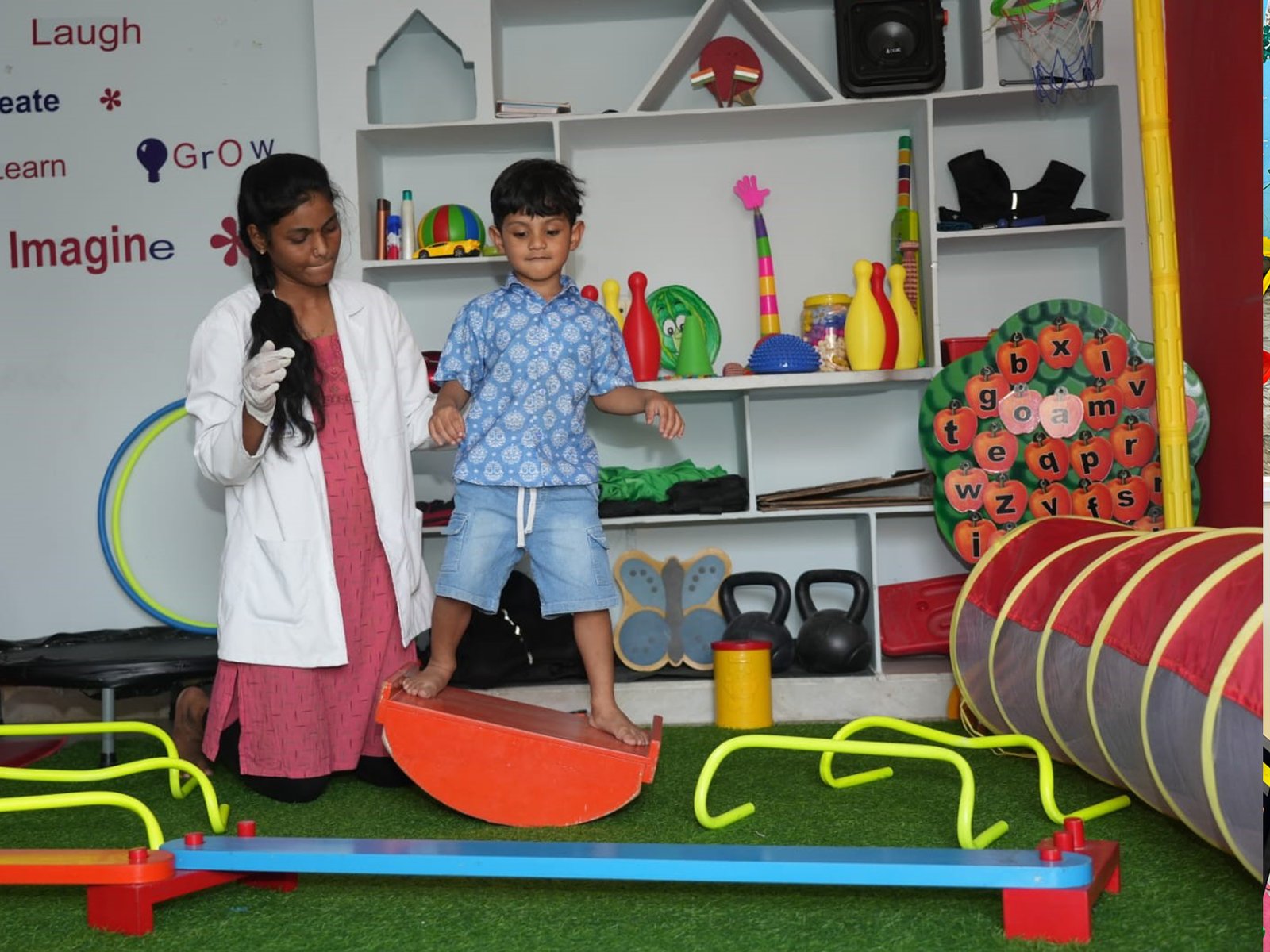
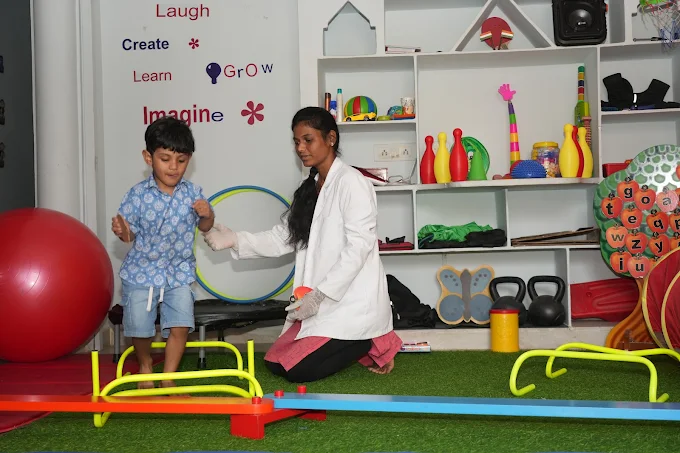
Supporting sensory, motor, attention, coordination and daily living skills.
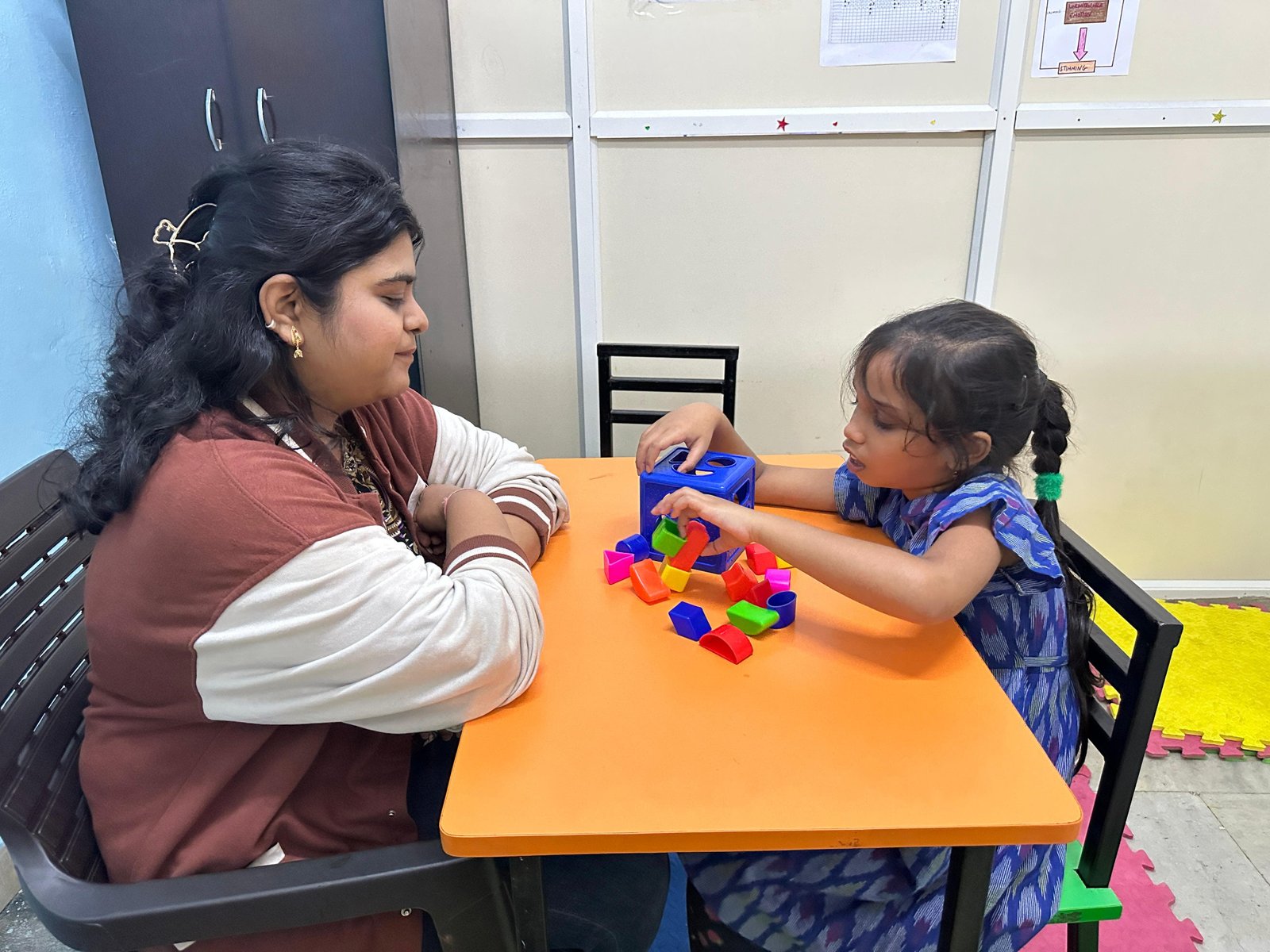
Developing practical skills for learning, communication and participation.
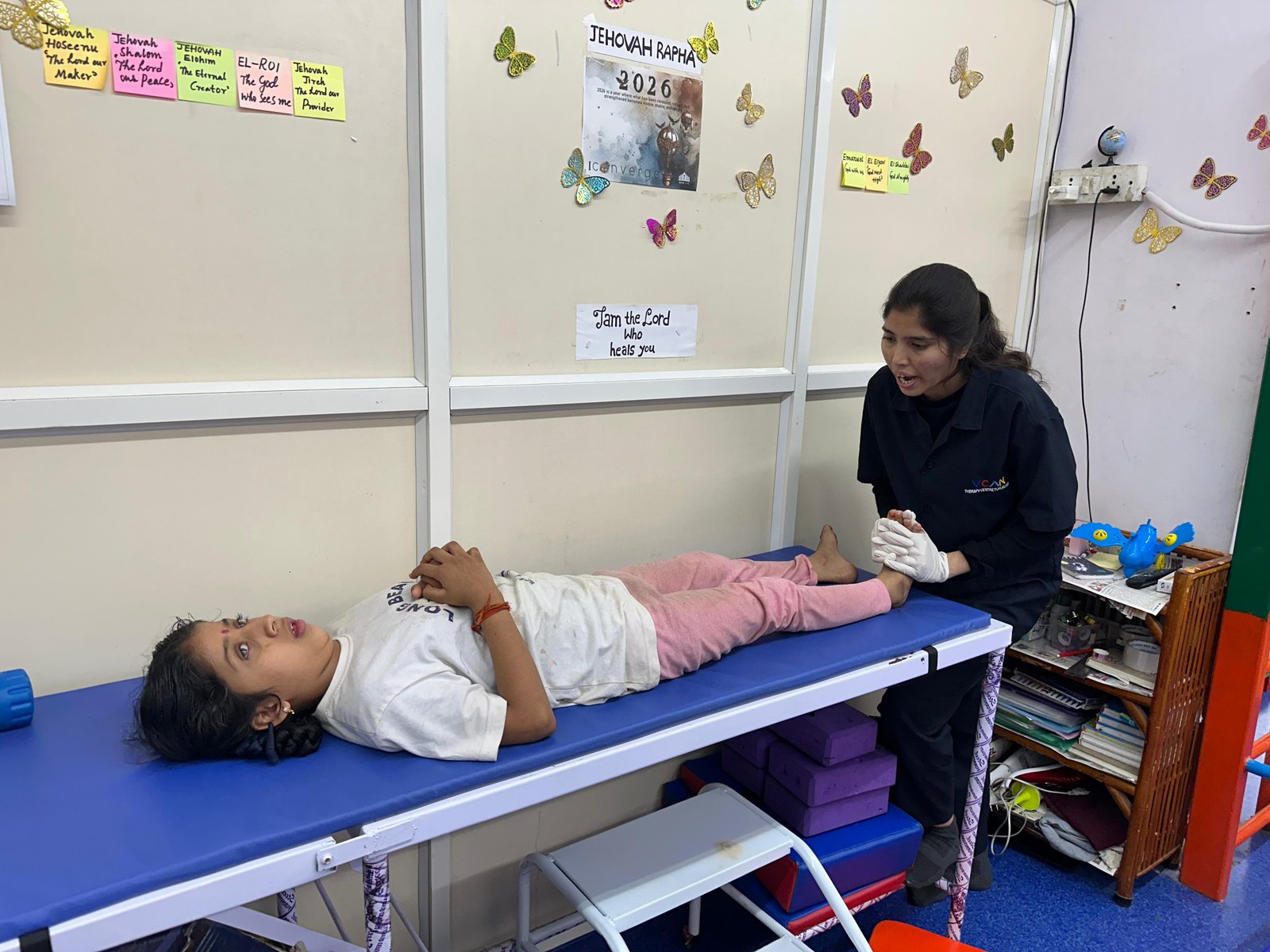
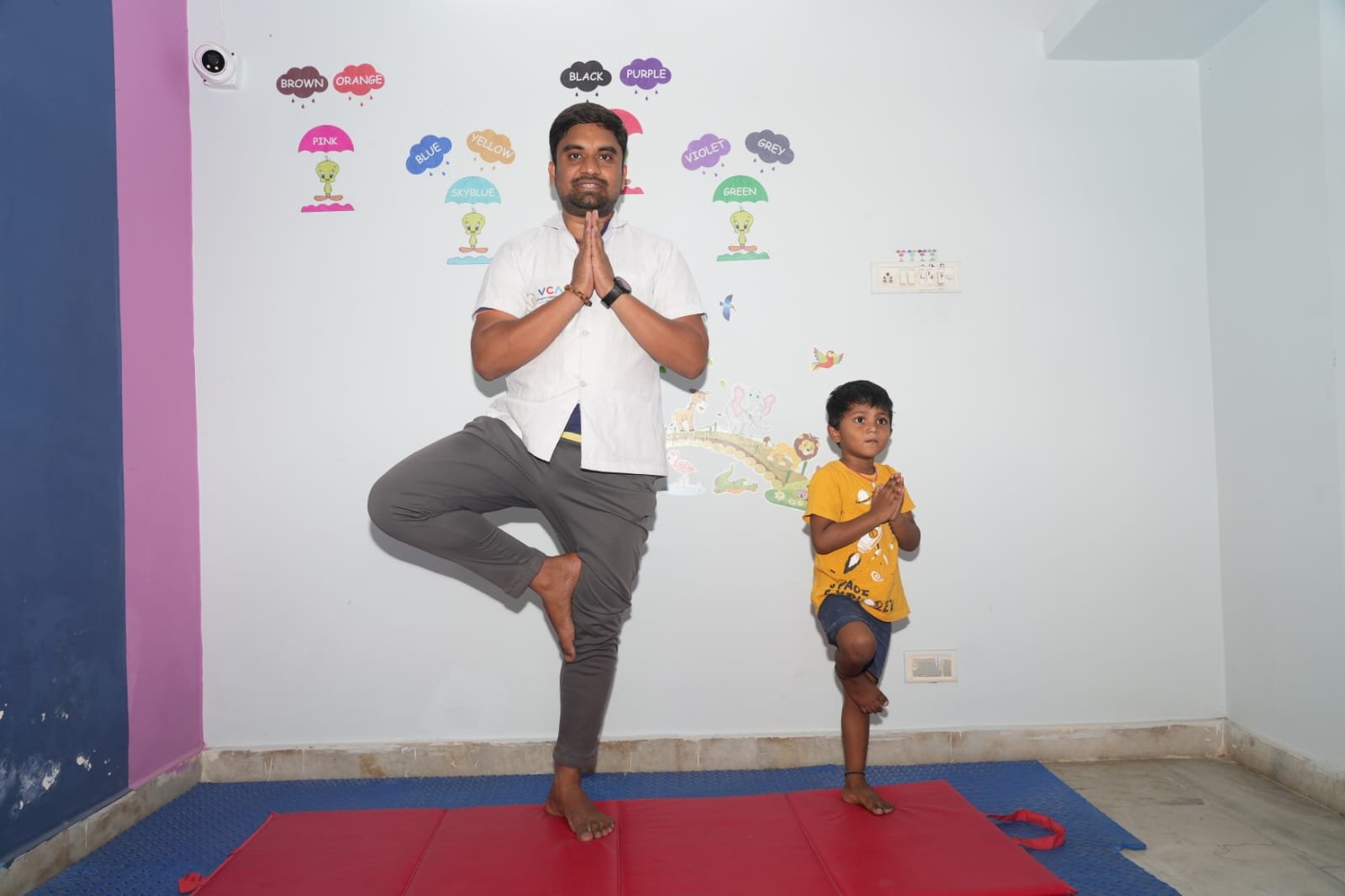
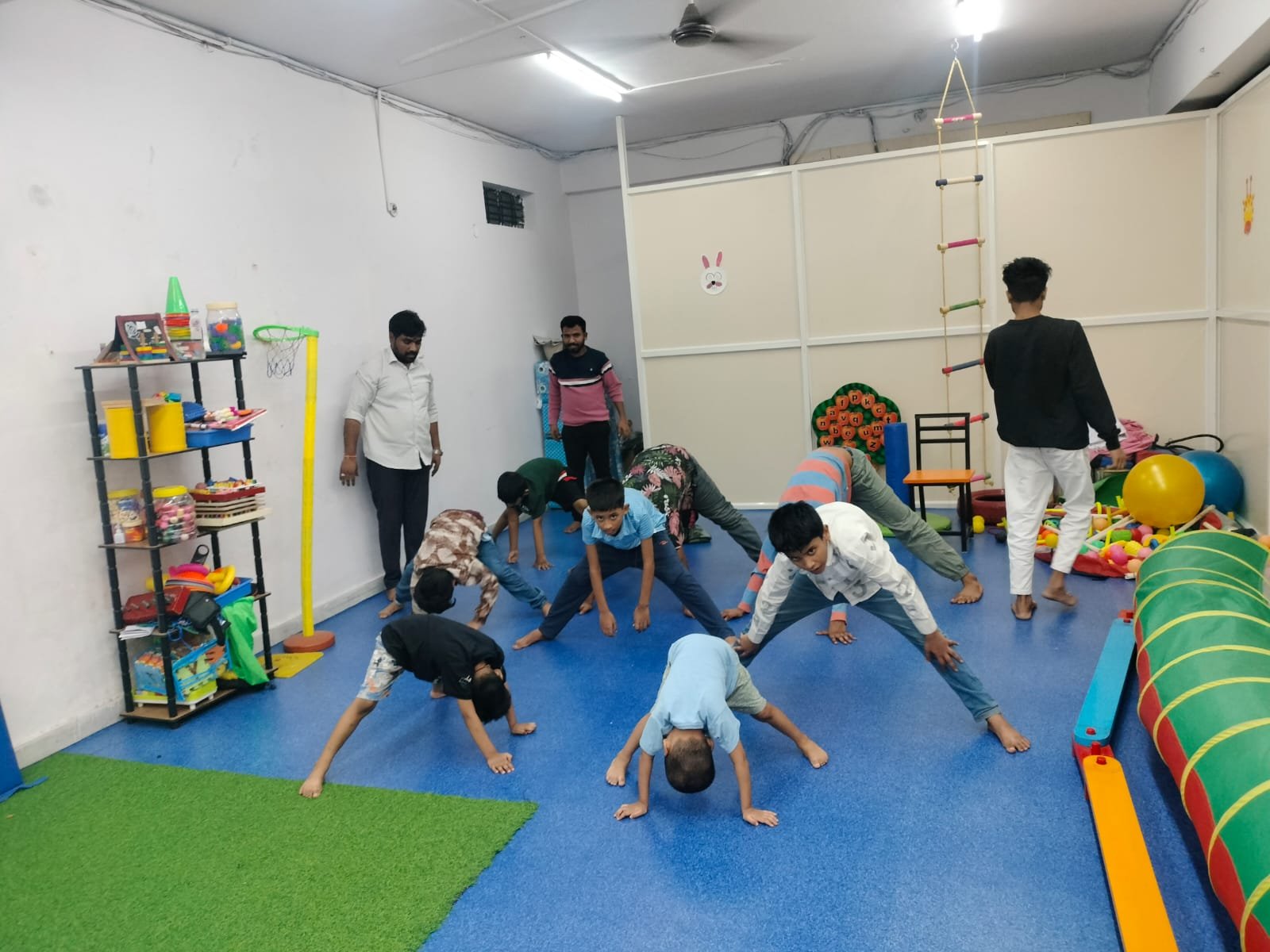
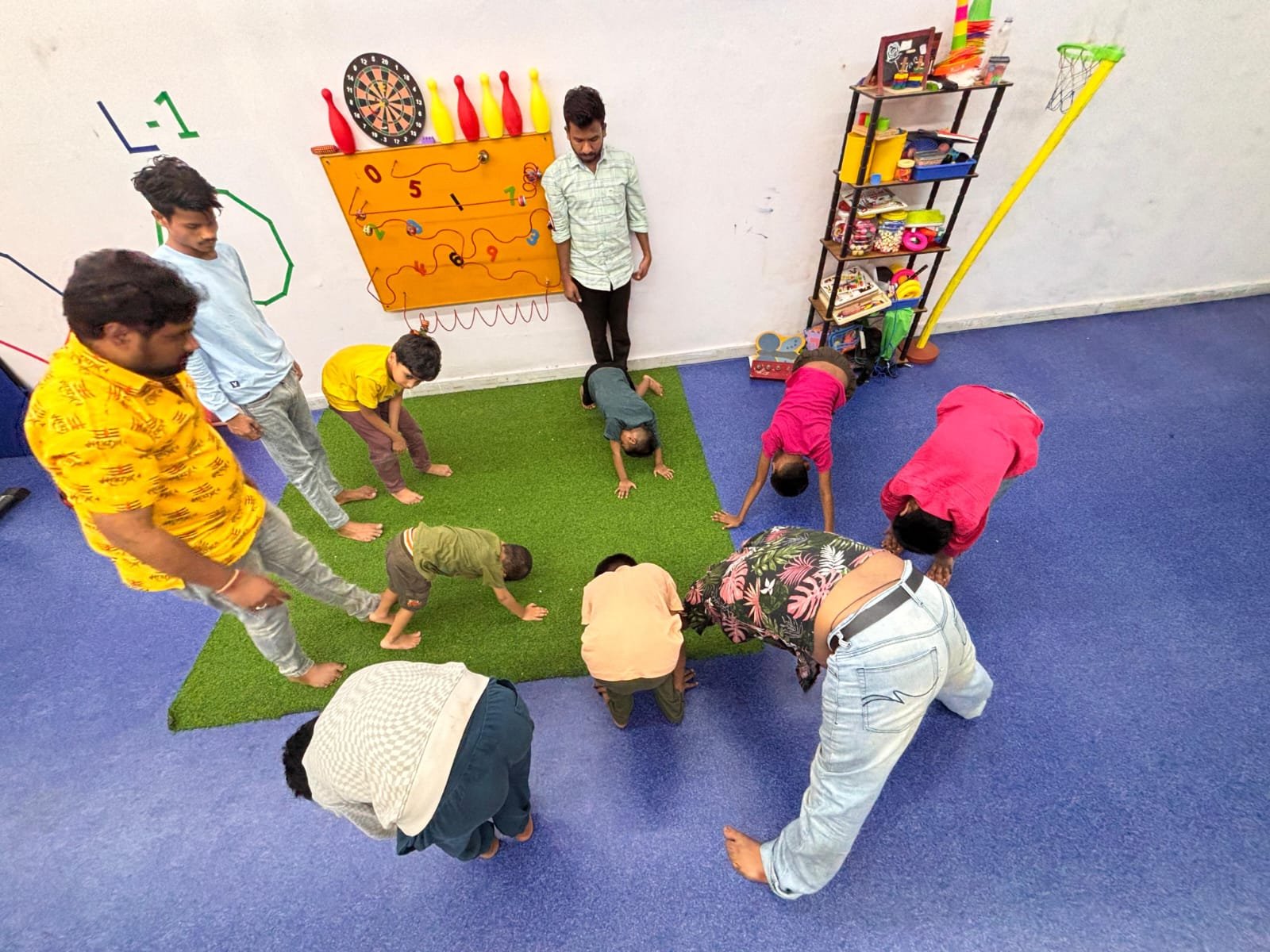
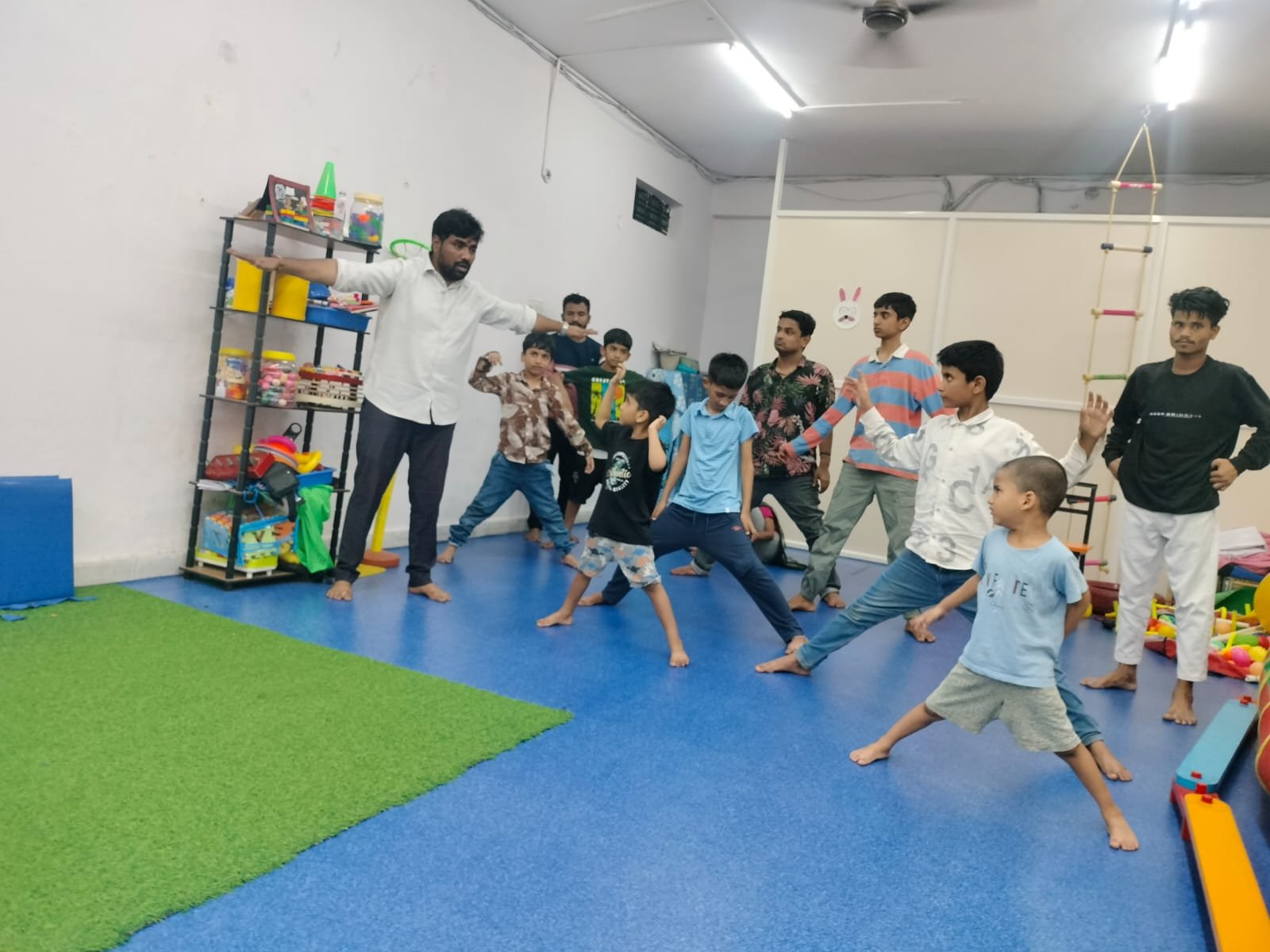
Supporting strength, balance, coordination, mobility and functional movement.
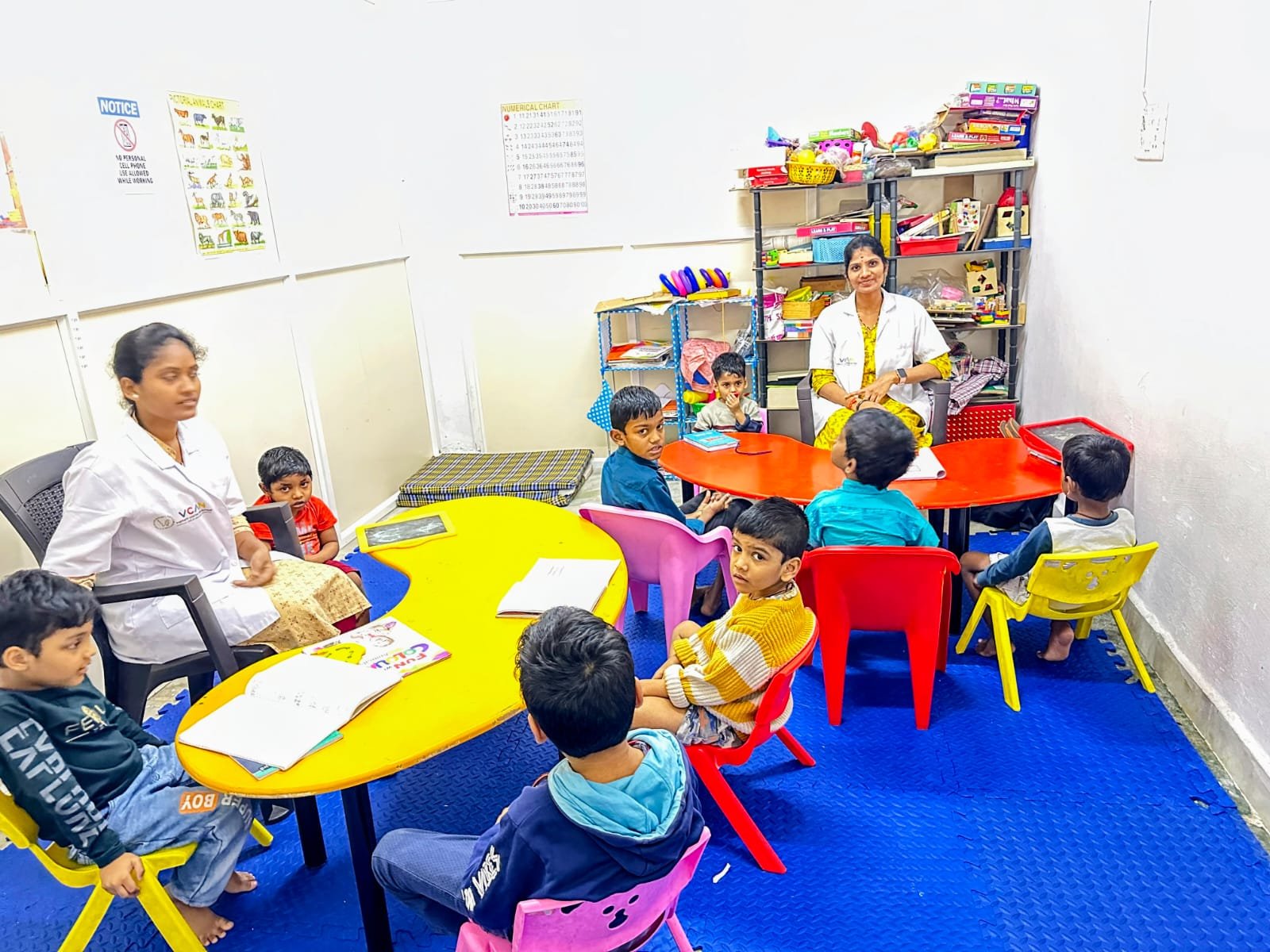
Building skills children need to participate confidently in school.
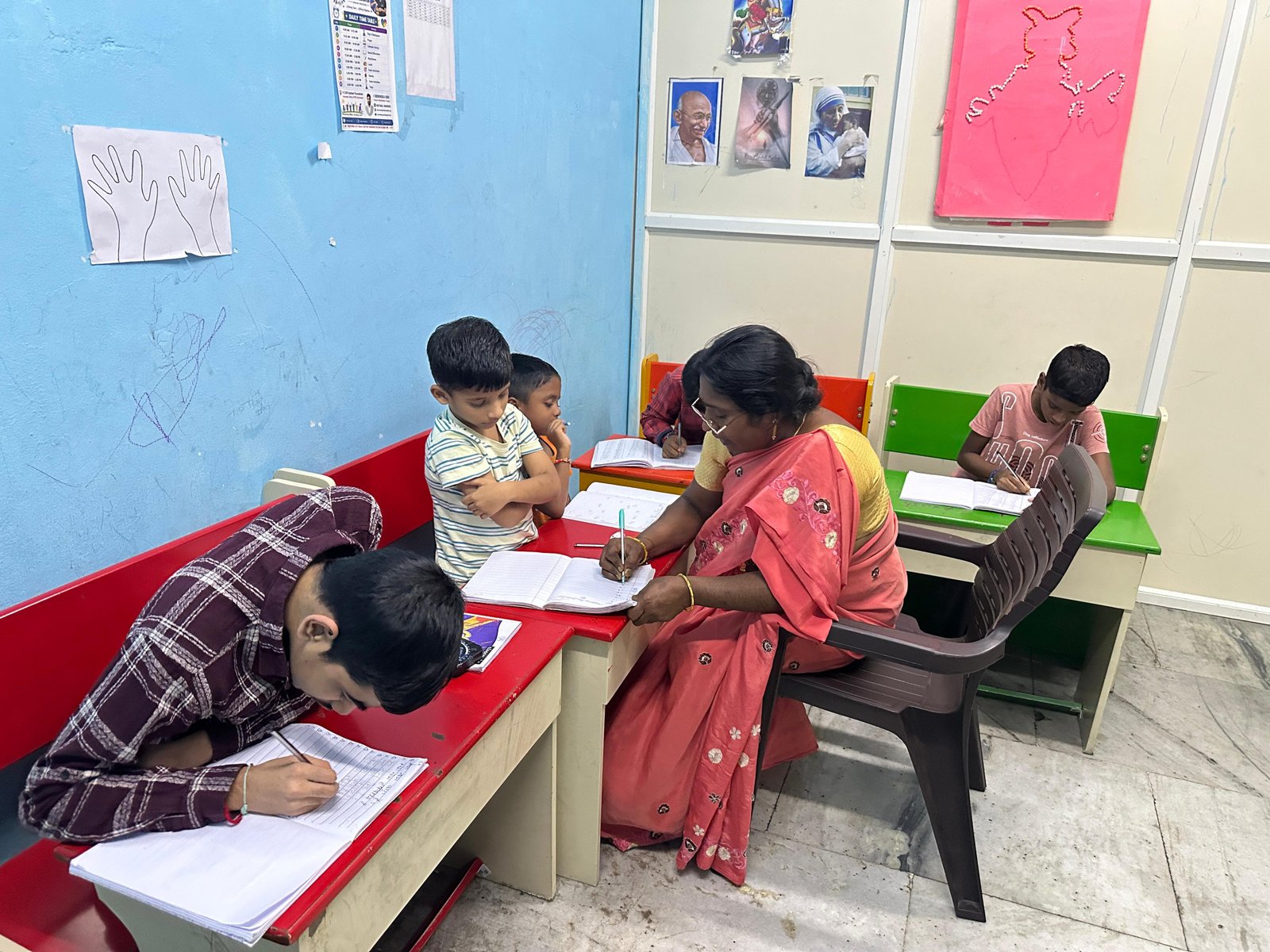
Providing individual academic support based on each learner’s needs.
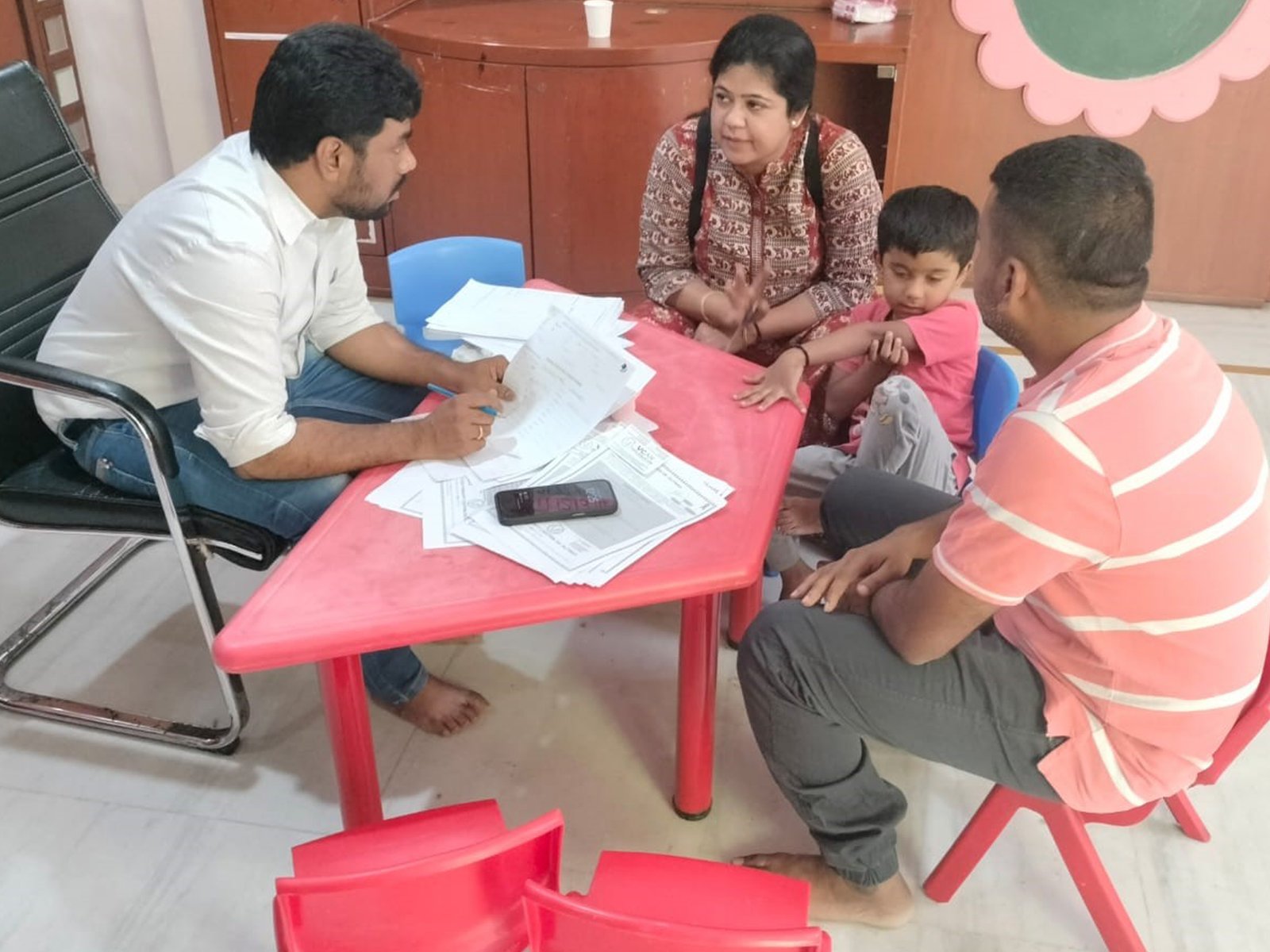
Helping parents understand needs and support development at home.
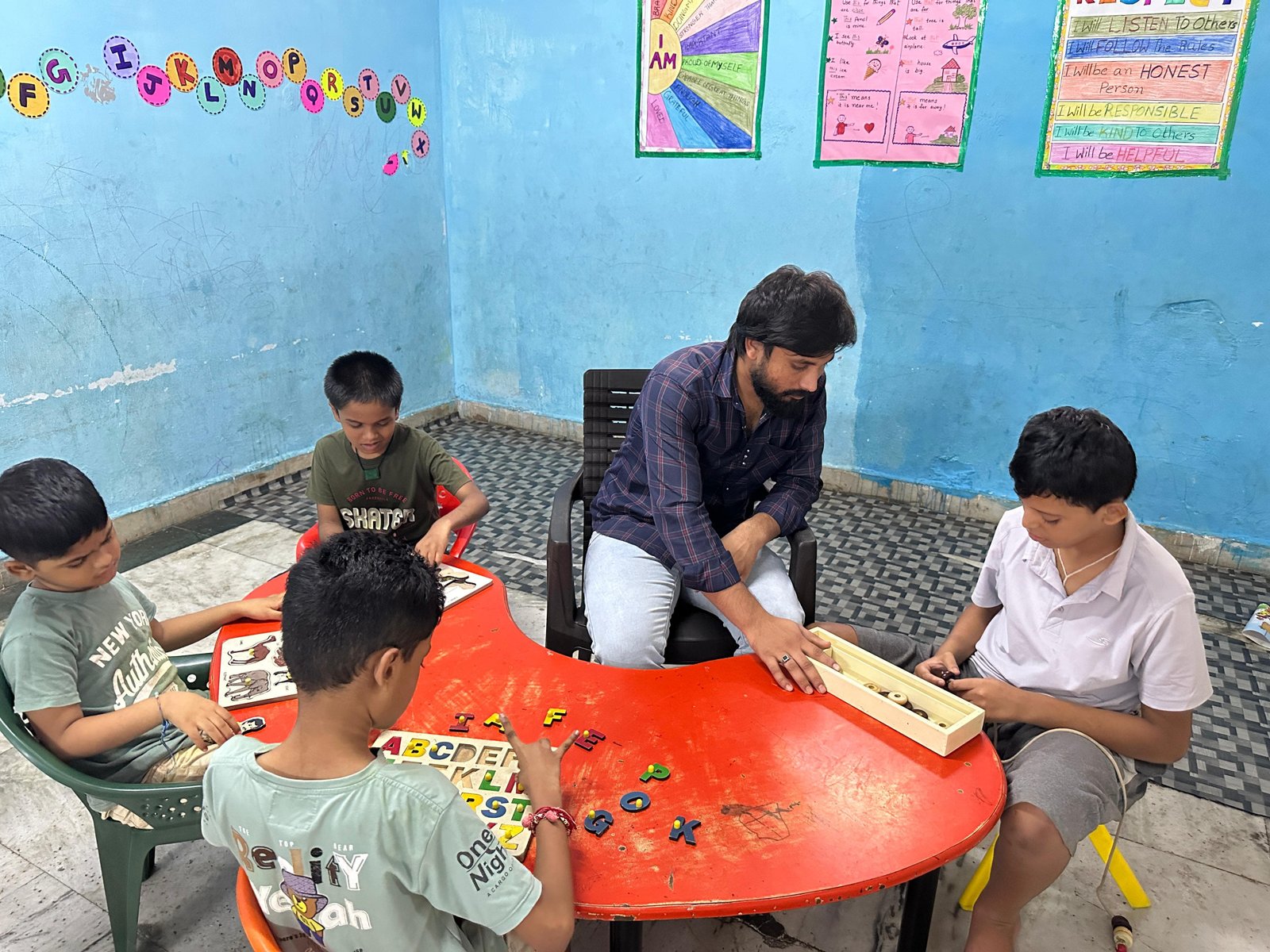
Building practical skills for greater independence and future participation.
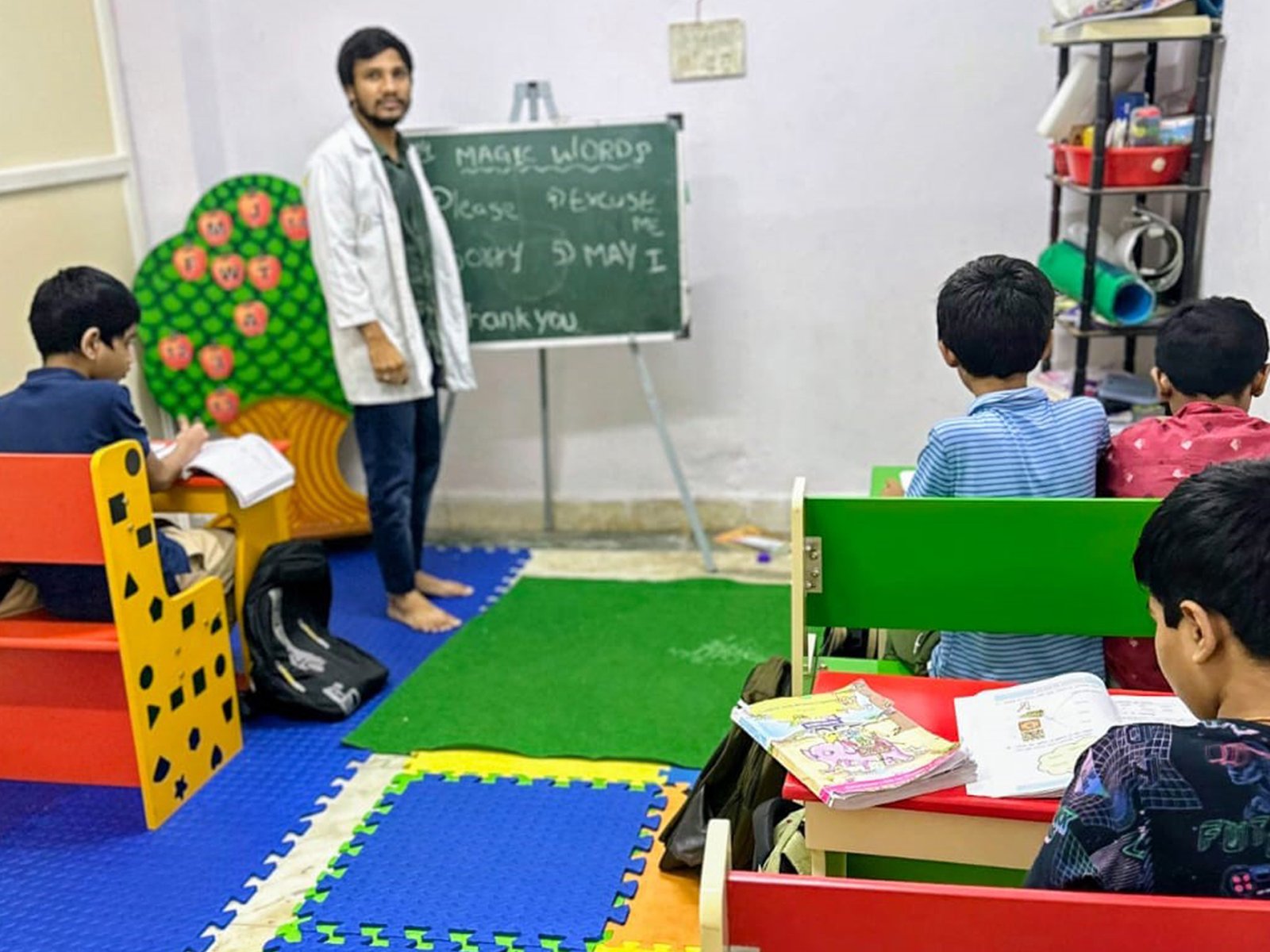
Providing educational guidance and support for eligible learners.
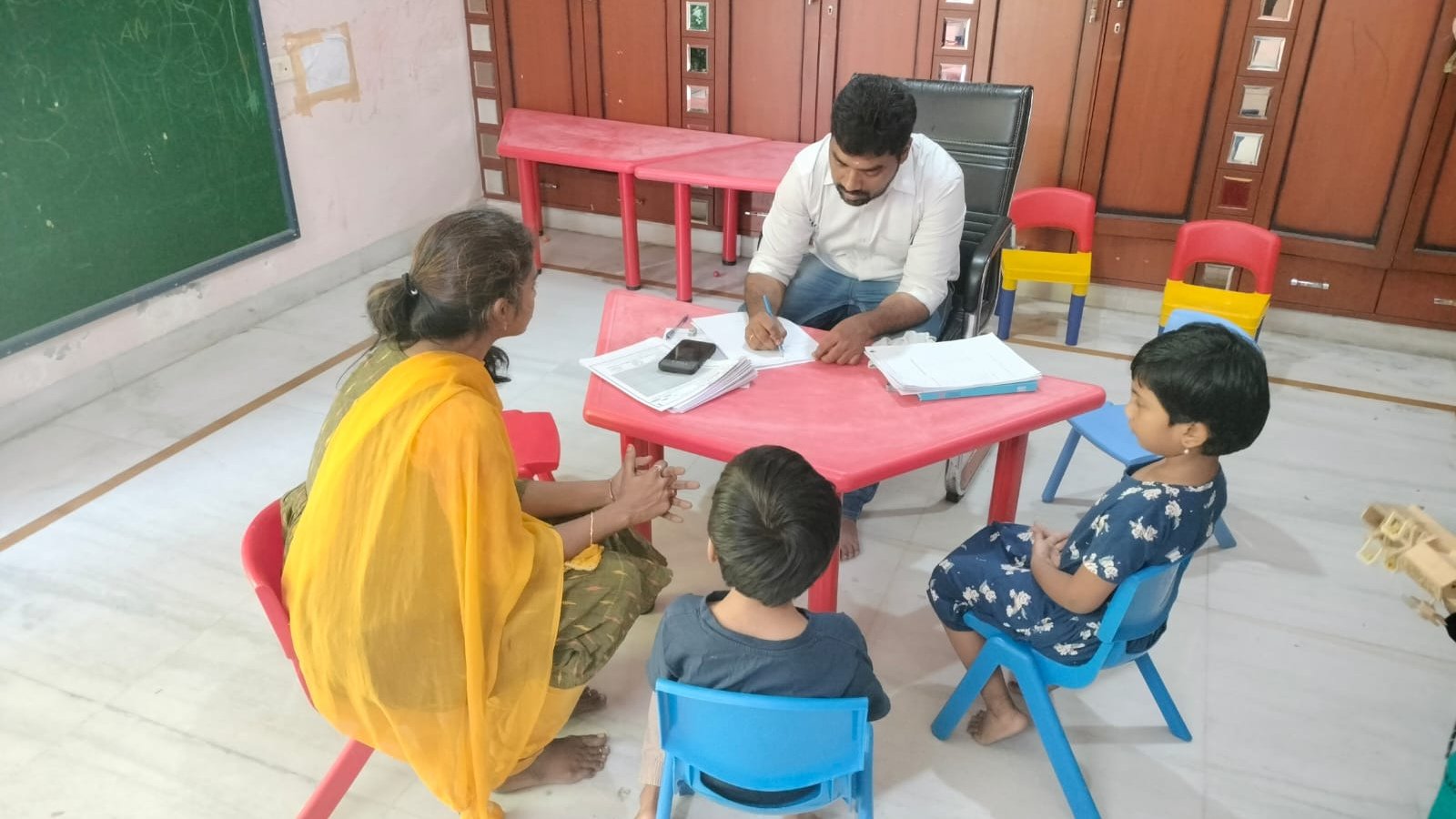
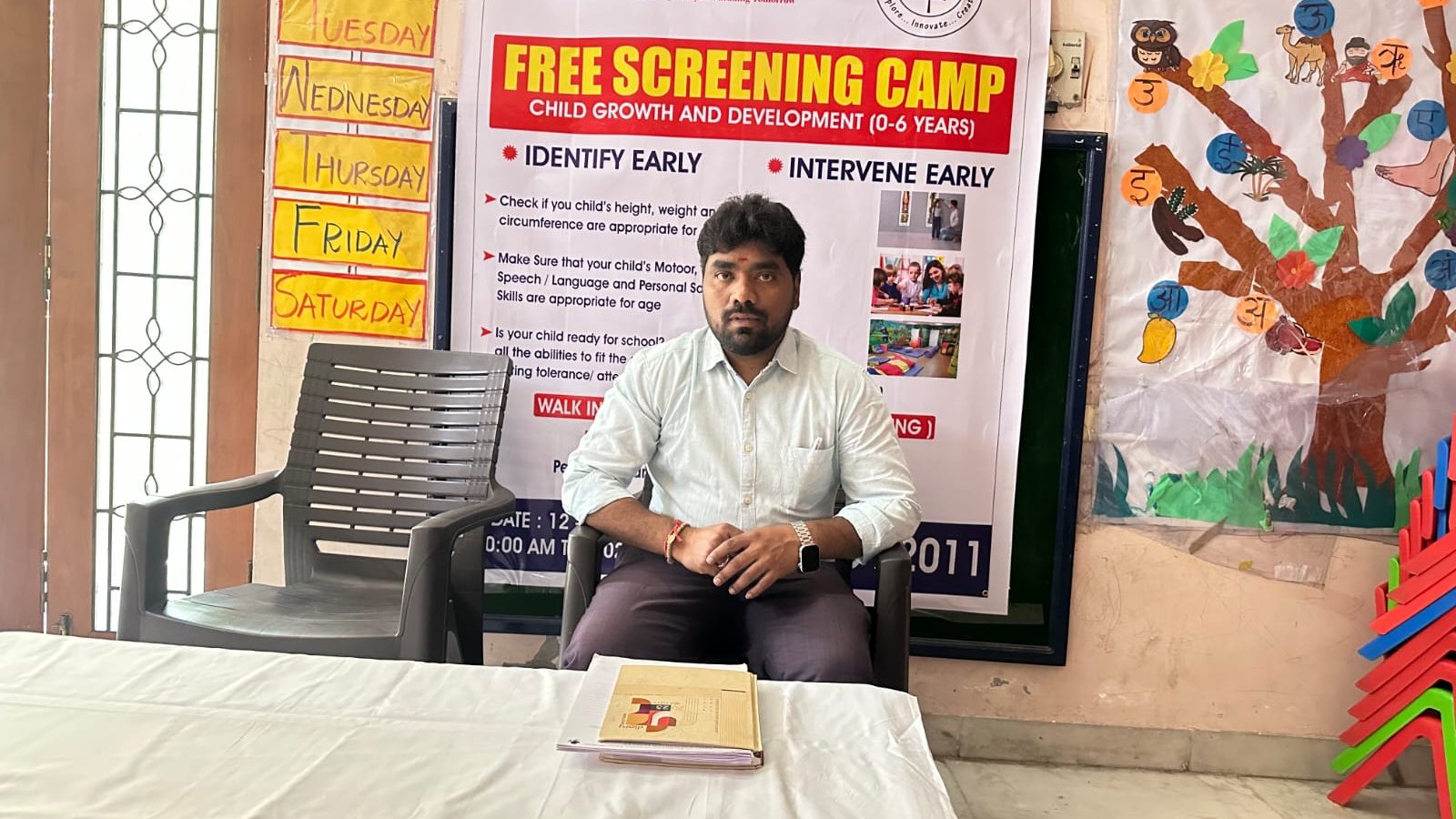
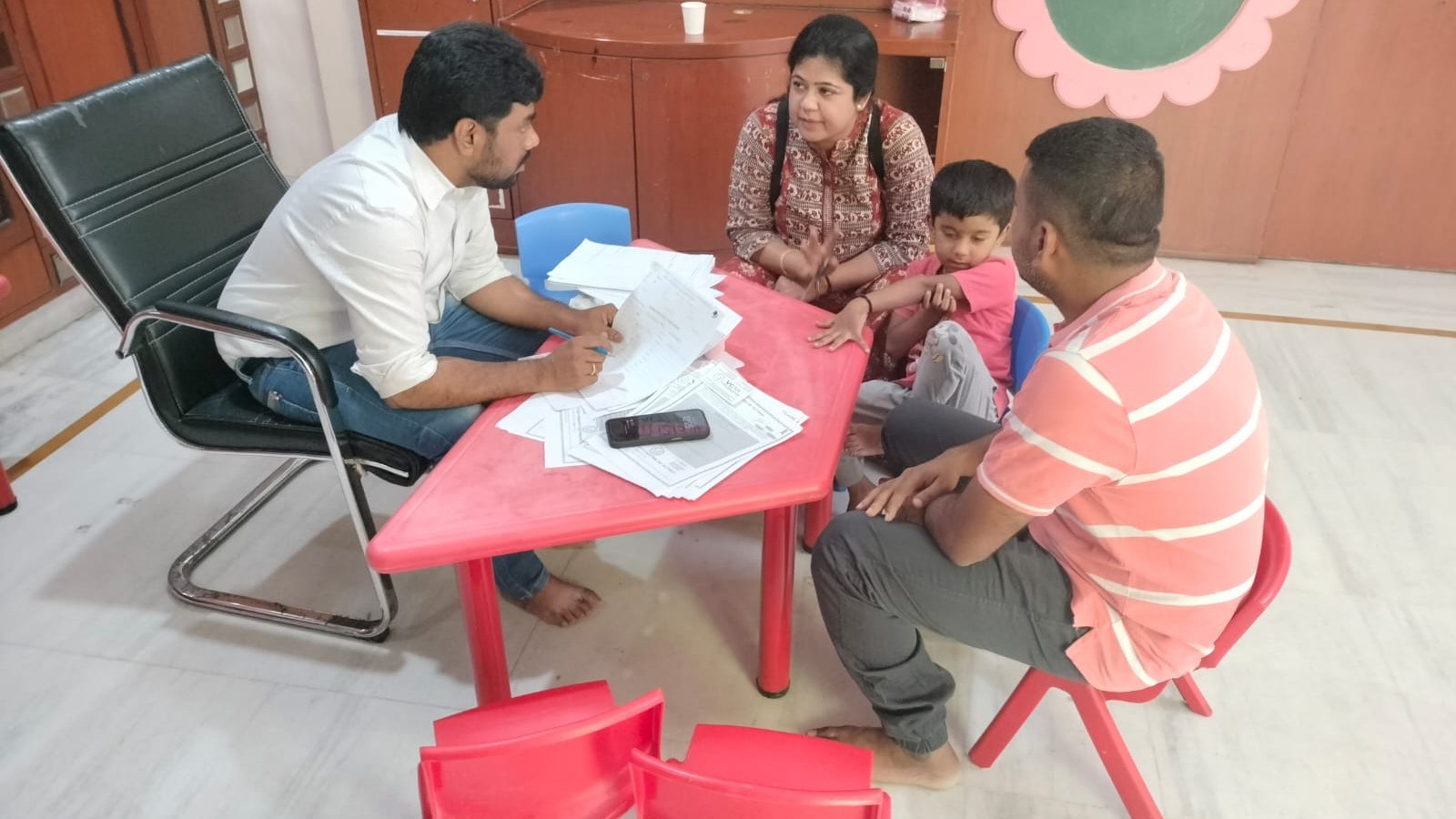
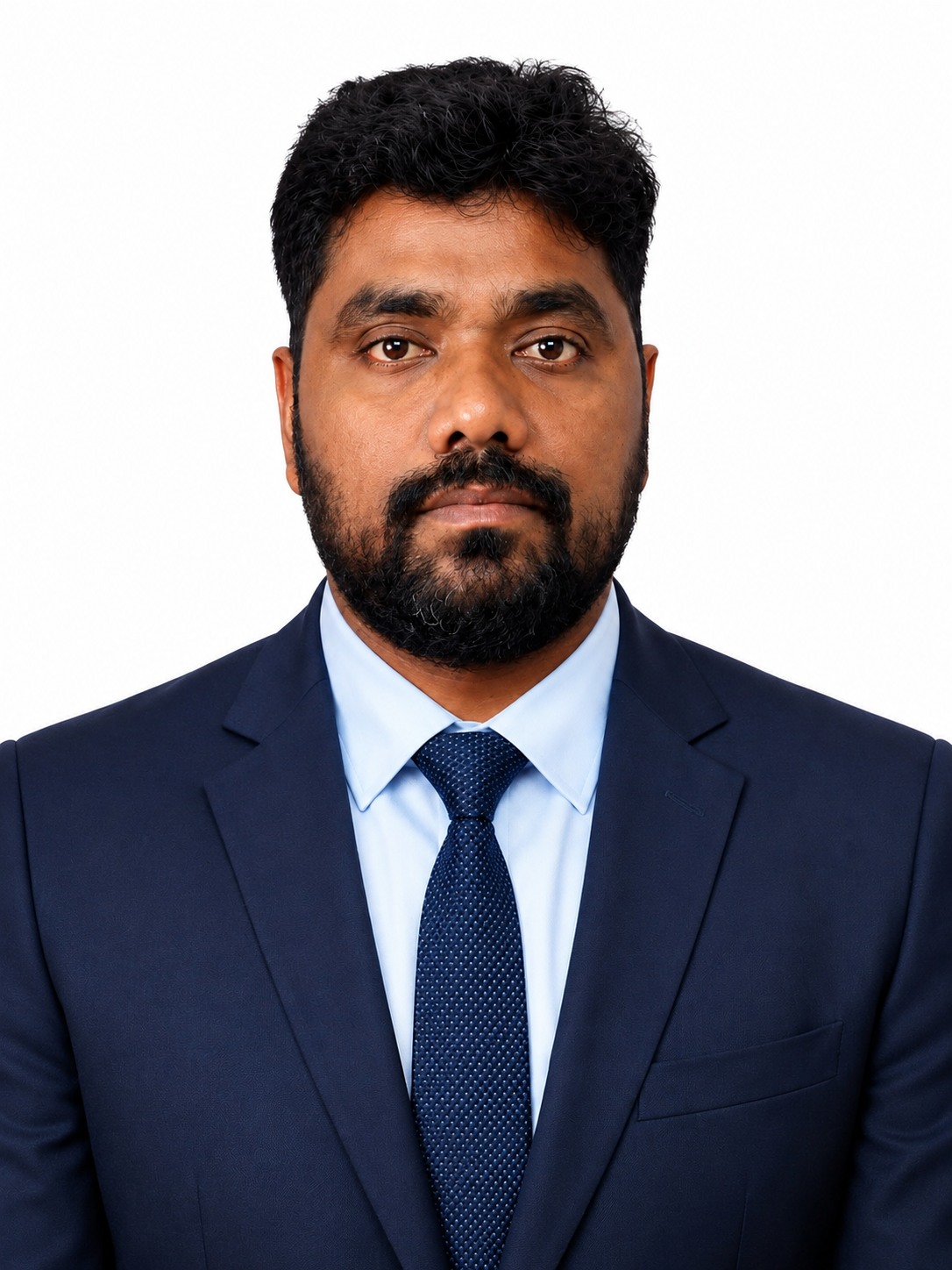
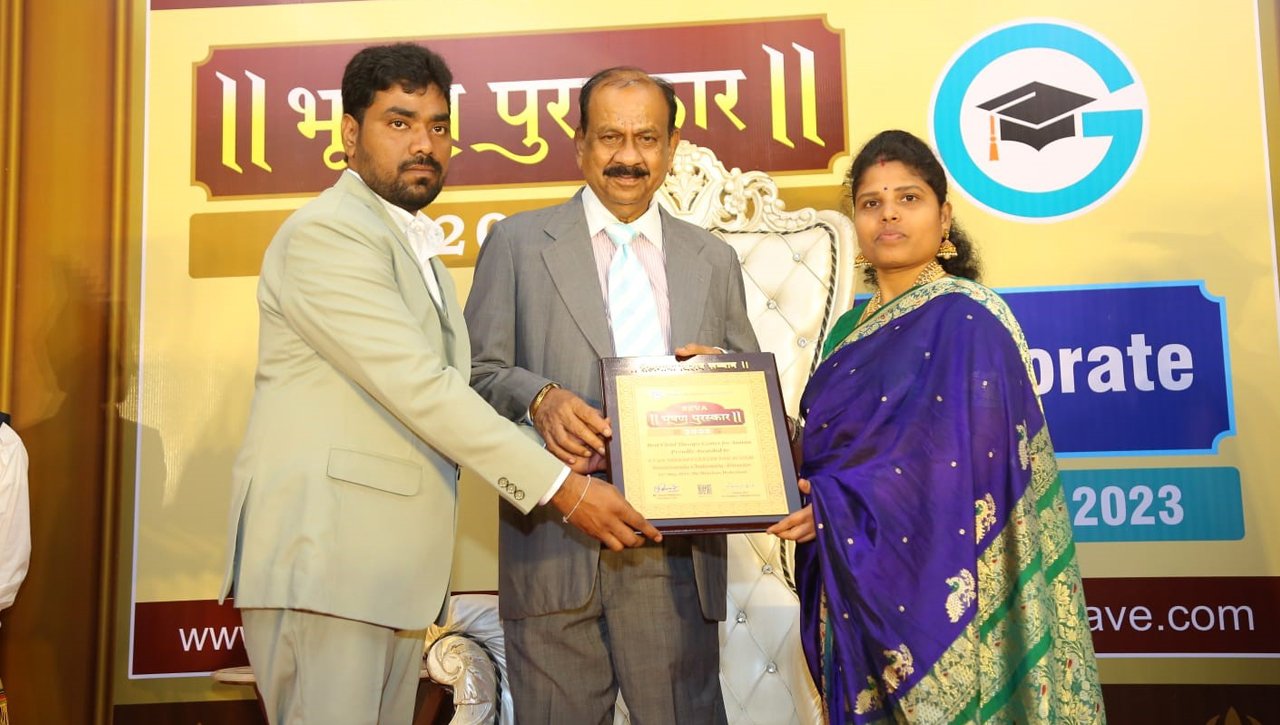
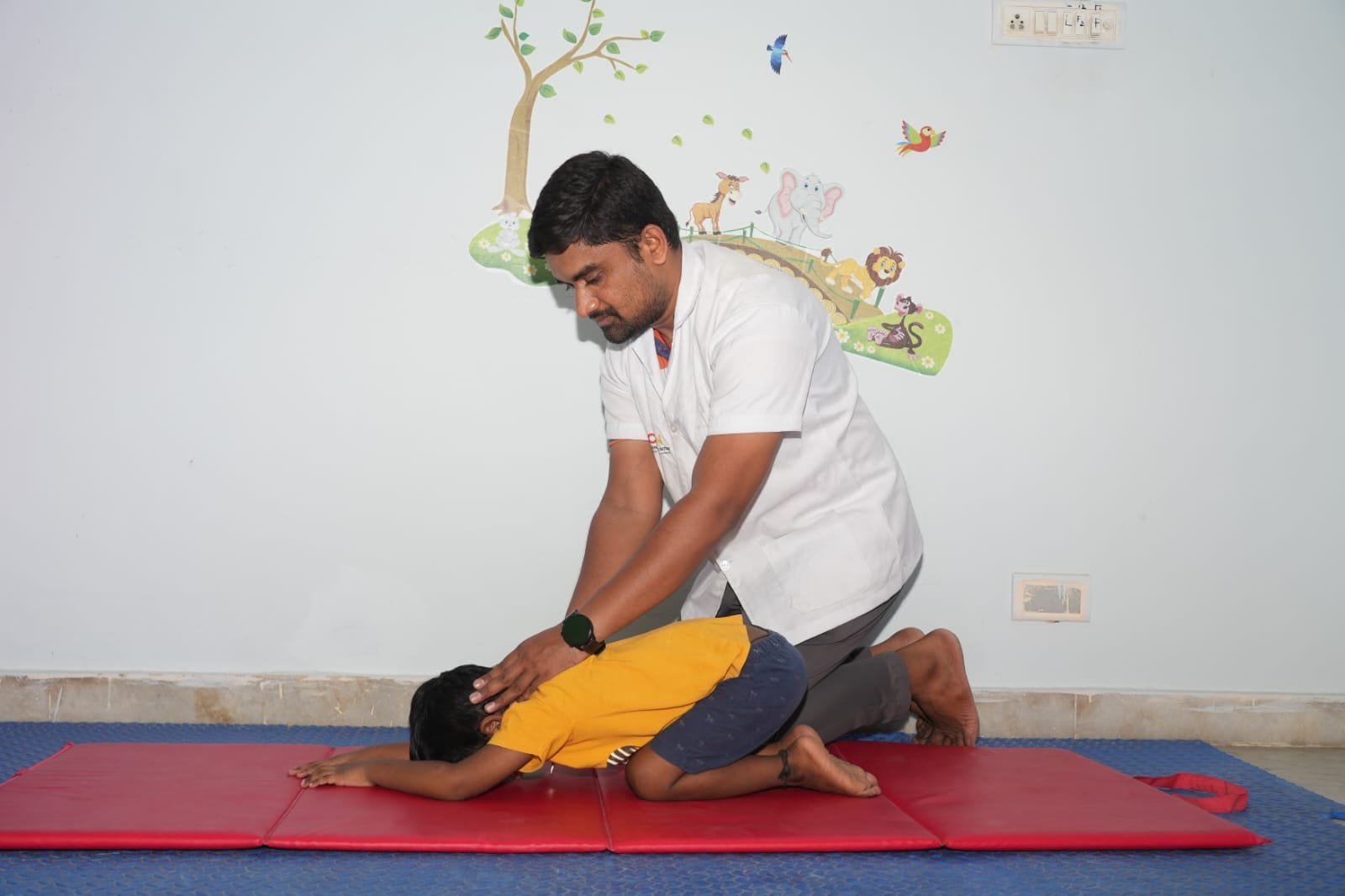
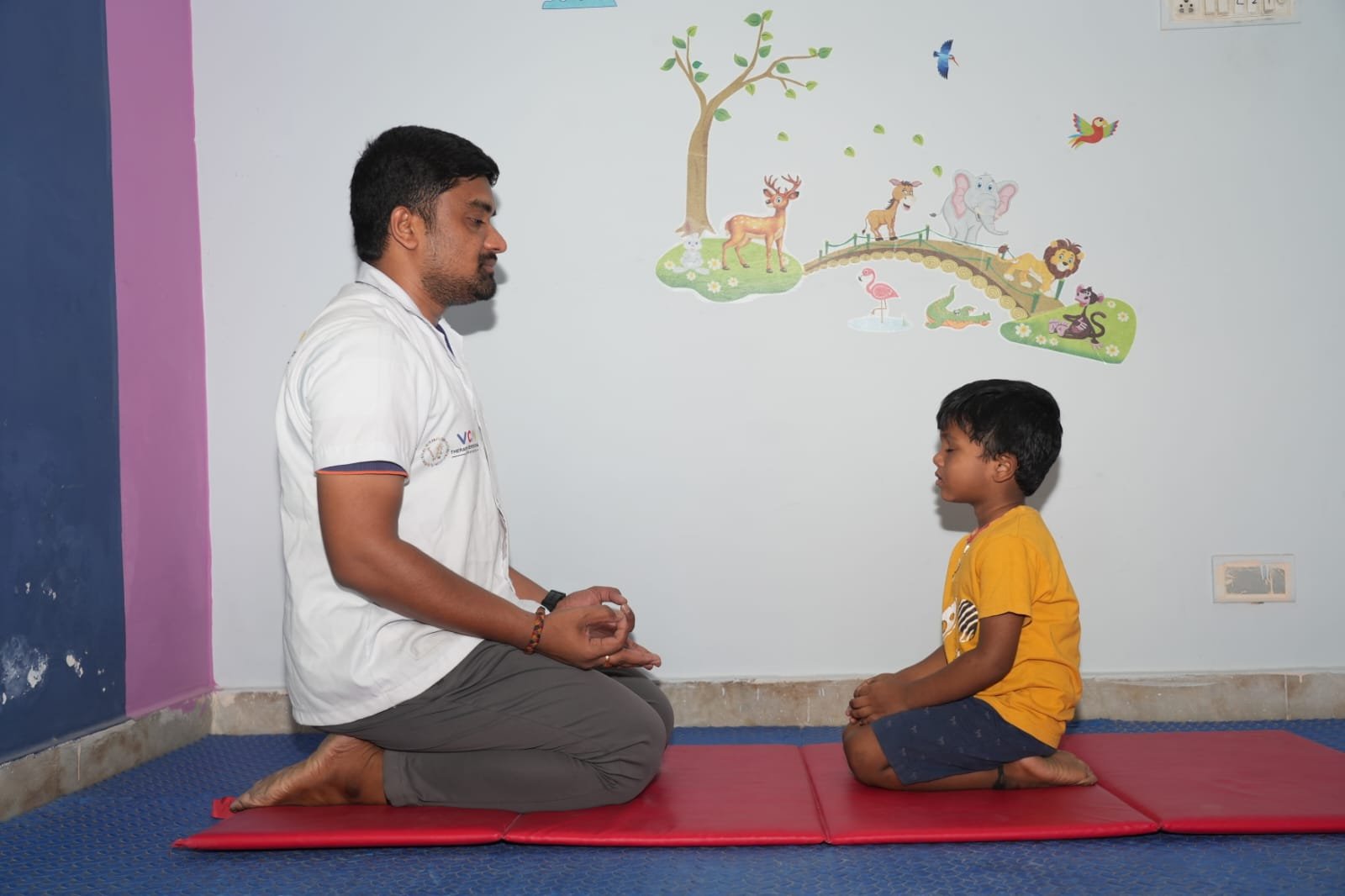
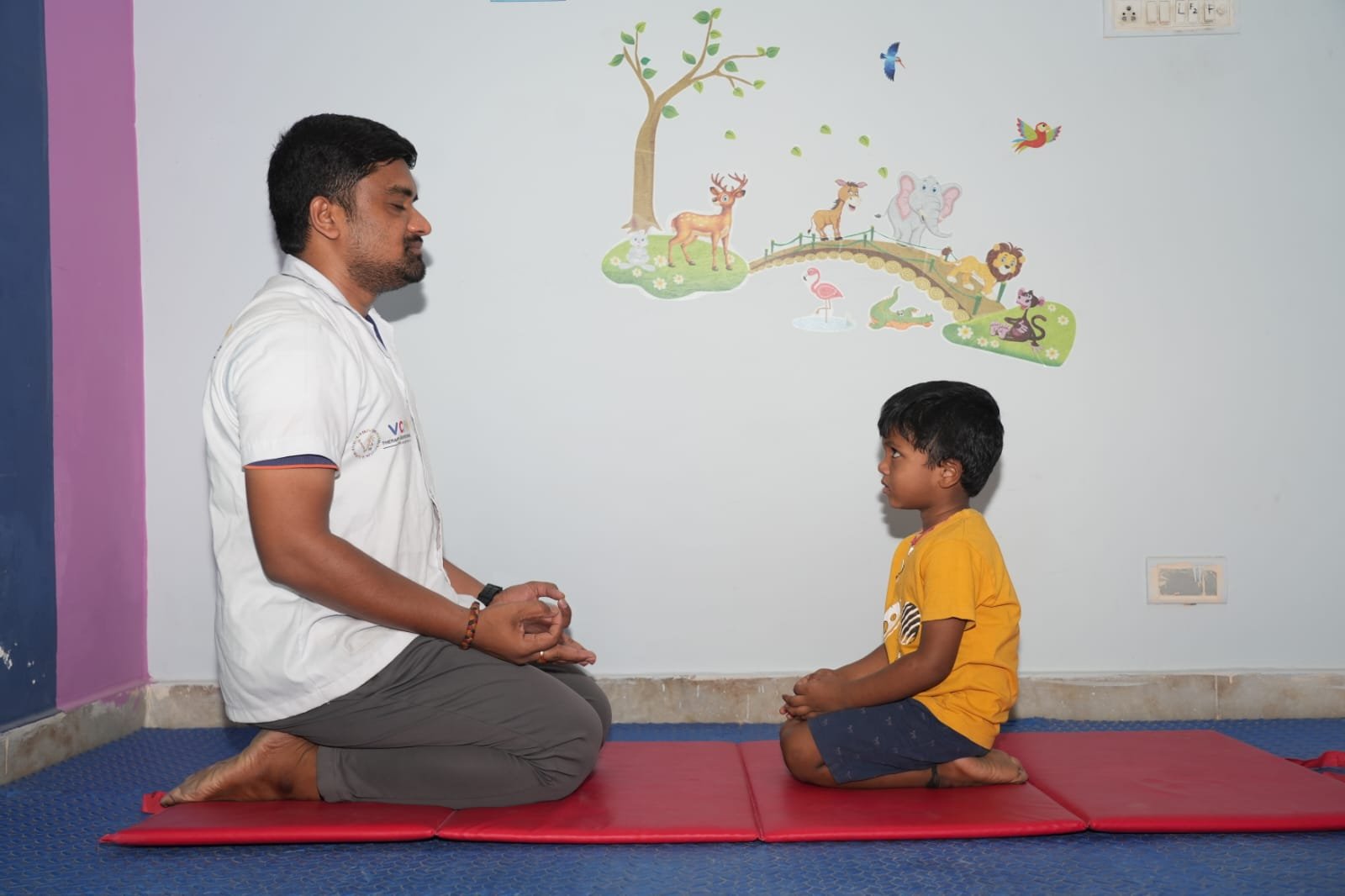
Chalamala Sreenivasulu Goud is a Rehabilitation Therapist and Early Interventionist dedicated to creating meaningful developmental, educational and functional opportunities for children with autism and developmental disabilities.
With 10+ years of professional experience, his approach focuses on understanding each child’s individual strengths, needs and abilities, while helping children develop communication, learning, daily living and functional skills.
He is also a PhD Research Scholar in Special Education, with a strong focus on creating practical pathways towards greater participation, confidence and independence.
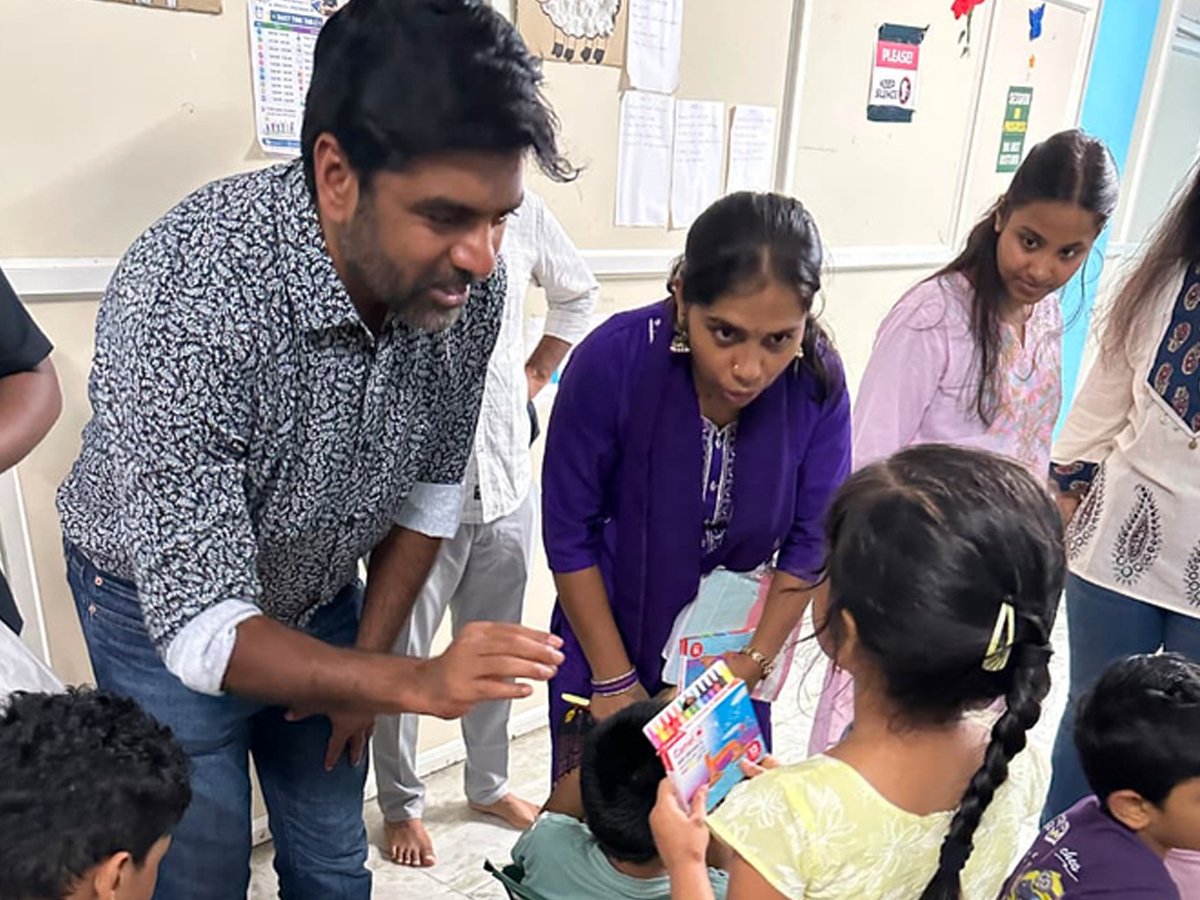
Learning materials.
Communication resources.
Therapy equipment.
Life-skill materials.
Educational support.
Recreational resources.
Residential resources.
Family-support programs.
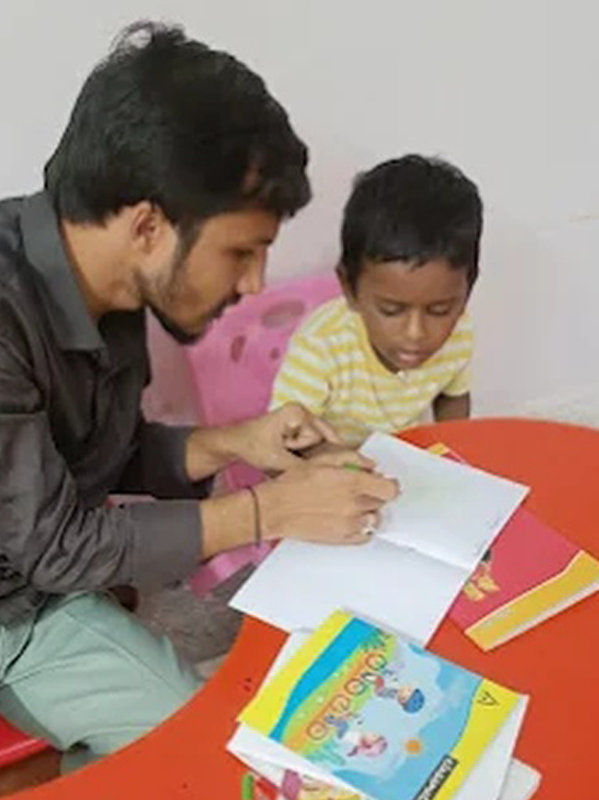
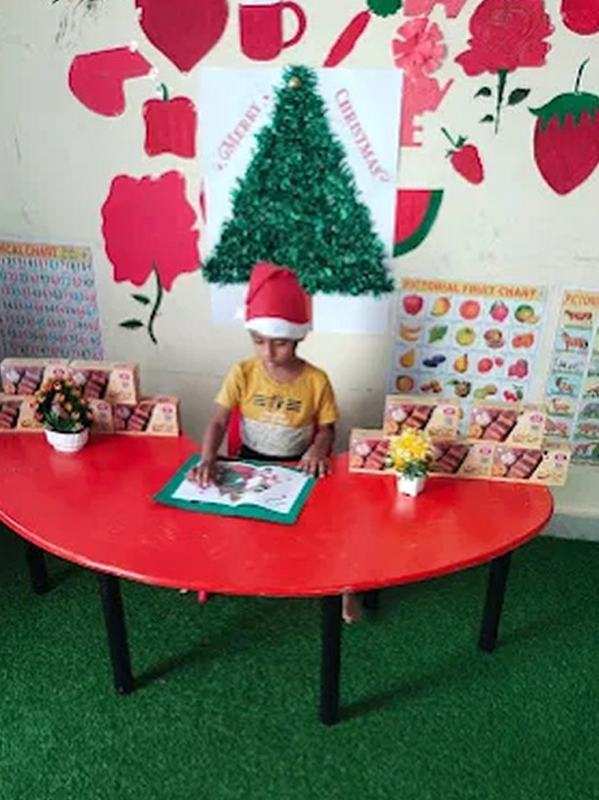
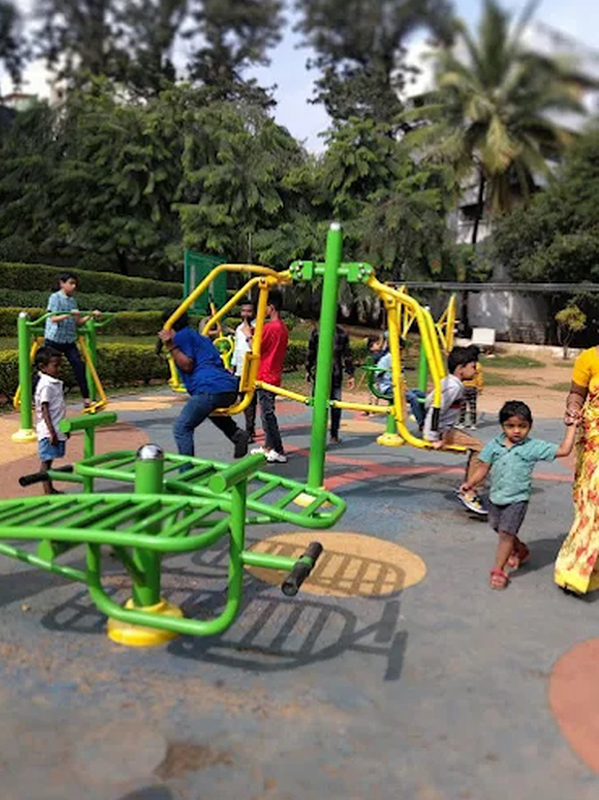

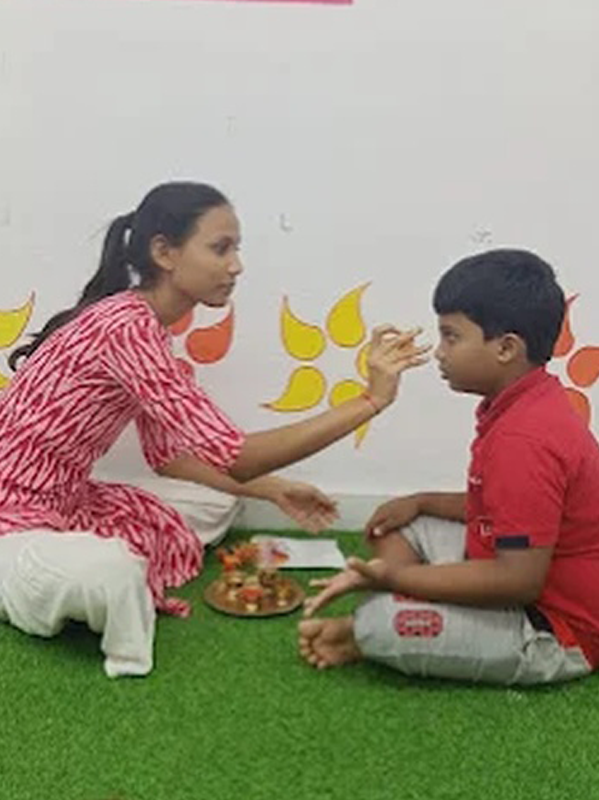


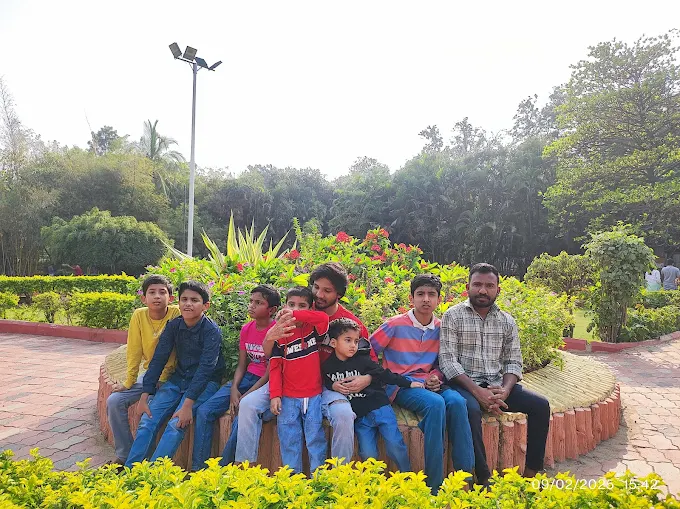
Over 20 years’ experience providing top quality therapy across
world orem aliqua
lonm andhn ipsum therapy services
“My child is not speaking.”
“My child is not ready for school.”
There are needs therapy.
“My child needs help with daily activities.”
“How can I prepare my child for the future?”
Who will support my child tomorrow?
DON’T FIT THE CHILD INTO THE PROGRAM. BUILD THE PROGRAM AROUND THE CHILD.
• Strengths • Needs • Communication • Learning • Behaviour • Daily living
Individual priorities and meaningful developmental goals
• Education • Therapy • Communication • Life skills
Repeated opportunities in structured and everyday activities
• Home • School • Community • Residential environment
Doing more. Choosing more. Participating more.

Support communication-learning resources.
Support educational materials.
Support life-skill development.
Support social and recreational opportunities.
Support the residential development program.
Create a dedicated donation campaign where donors can support specific developmental goals.
A FUTURE WHERE CHILDREN WITH AUTISM ARE NOT DEFINED BY THEIR LIMITATIONS.
Psychlogical porro quisquam est qui dolorem ipsum quia dolor sit conse
• Brushing • Washing • Grooming • Hygiene
• Choosing • Sequencing • Dressing • Organization
• Communication • Choice • Feeding • Social participation
• Keeping belongings • Organizing • Simple household routines
• Requesting • Refusing • Choosing • Asking for help
• Waiting • Sharing • Turn-taking • Group participation
• Education • Functional academics • Attention • Following routines
• Play • Movement • Creativity • Meaningful leisure
V Can has helped my daughter make meaningful progress in communication, listening, behaviour and everyday skills.

Parent
We have seen meaningful improvement in our child’s communication, interaction and overall development at V Can.
Parent
My son has shown positive progress in speech, communication and interaction. We are happy with his development.
Parent
V Can provides valuable guidance and support to children and parents, helping families understand and support development.
Parent
The supportive team and positive environment at V Can have made a meaningful difference in our child’s development.
Parent
Our child has shown positive progress in speech and behaviour with patient guidance and continued support from V Can.
Parent
V Can has provided caring guidance and meaningful support that has helped our child grow with confidence.
Parent
We appreciate the dedicated support at V Can and the positive changes we have seen in our child.
Parent
The team understands every child’s needs and provides thoughtful support for communication, learning and development.
Parent
Our experience at V Can has been positive, supportive and focused on helping our child become more independent.
Parent
V Can has given our family valuable guidance and helped our child develop important everyday skills.
Parent
We are thankful to the V Can team for their patience, guidance and continued support throughout our child’s journey.
Parent
A predictable daily routine helps children understand what comes next and participate more confidently.
Children are supported to develop age-appropriate skills in hygiene, dressing, eating, grooming and personal routines.
Opportunities throughout the day to communicate needs, choices, preferences and feelings.
Structured learning and individualized educational activities according to each child’s needs.
Relevant therapy and developmental activities incorporated according to the child’s individual program and professional assessment.
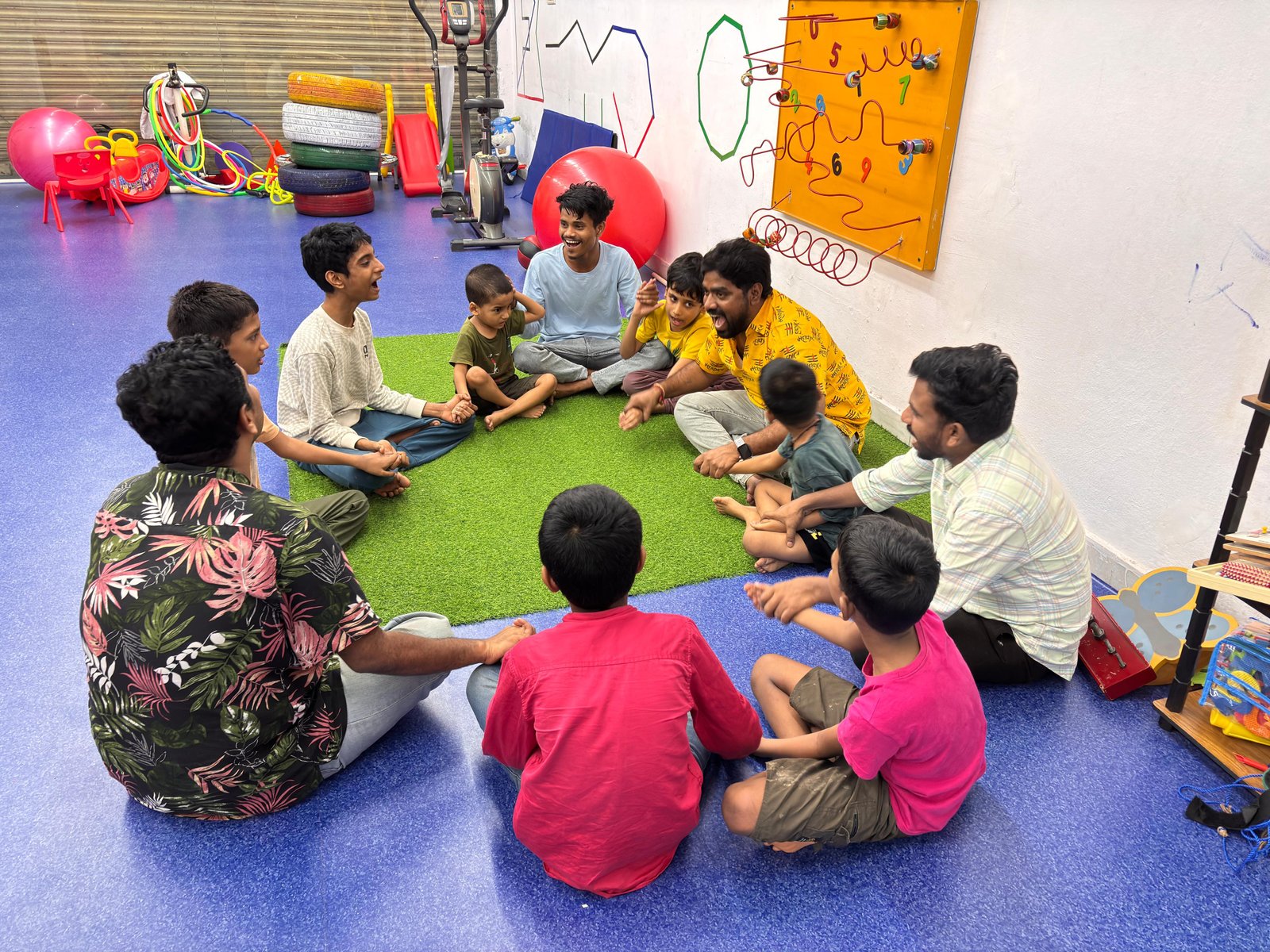
Group activities that encourage interaction, waiting, turn-taking, sharing and participation.
Everyday activities are used as opportunities to practise functional skills.
Indoor and outdoor activities, creative activities, movement and meaningful leisure.